

+86-536-7951951



Products
-
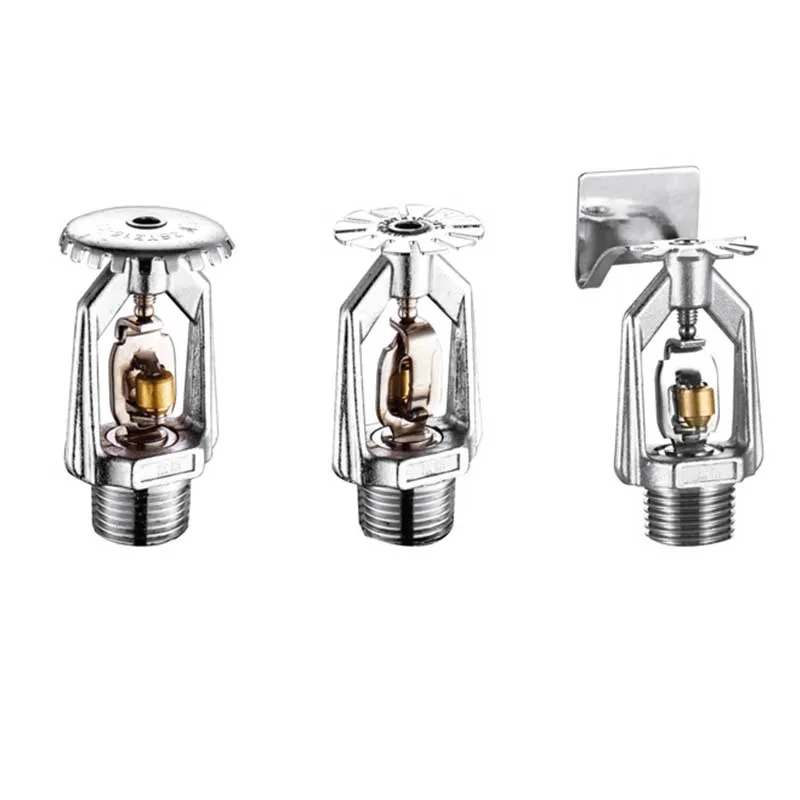
Sprinkler with low-melting alloy element Y-ZST
-
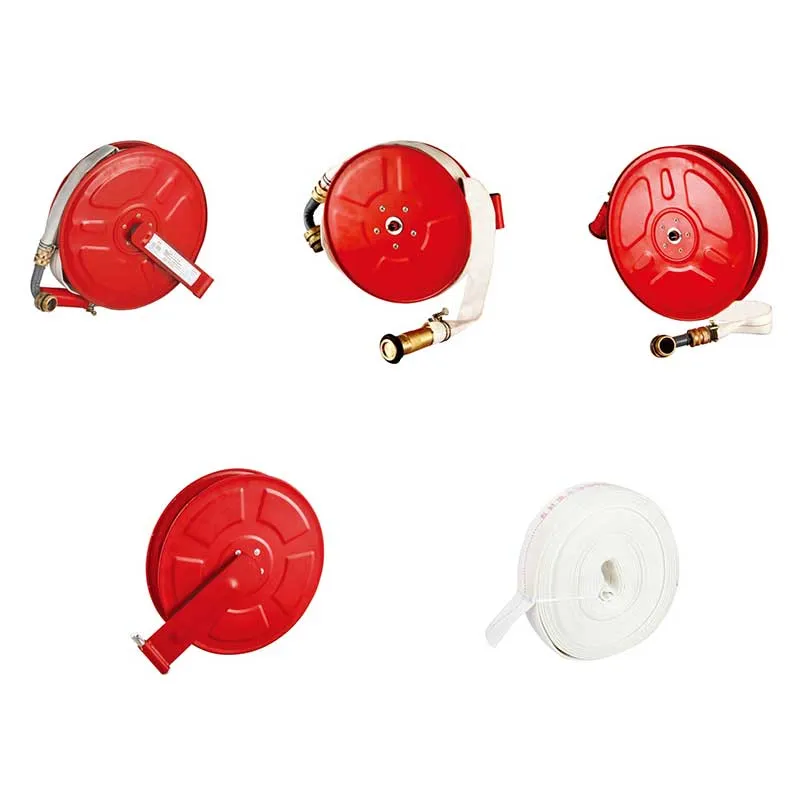
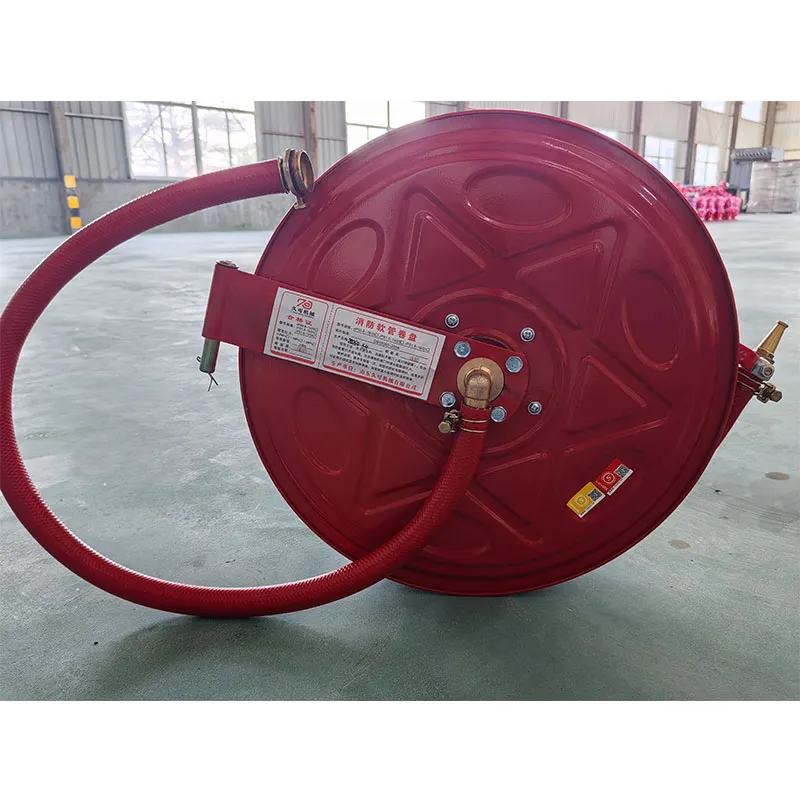
Lightweight fire hose LQG
-
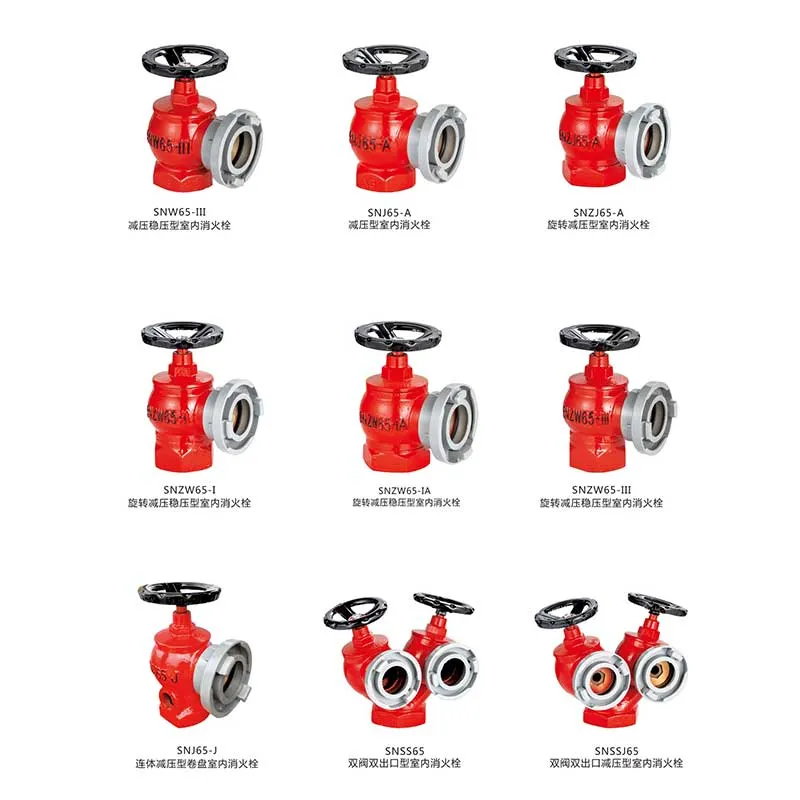
Internal fire hydrant
-
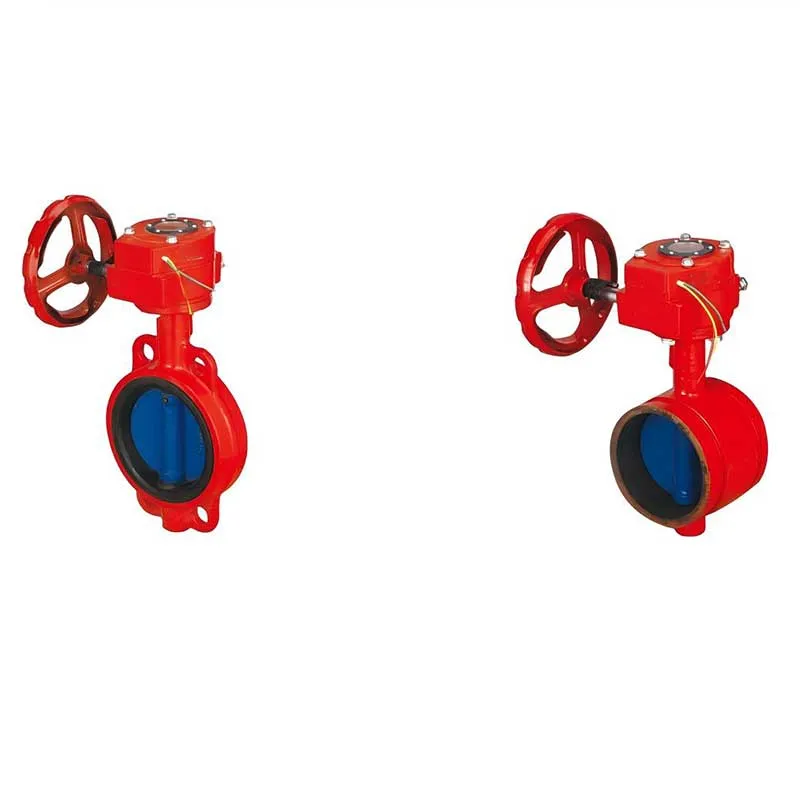
Signal fire protection butterfly valve ZSXDF series
-
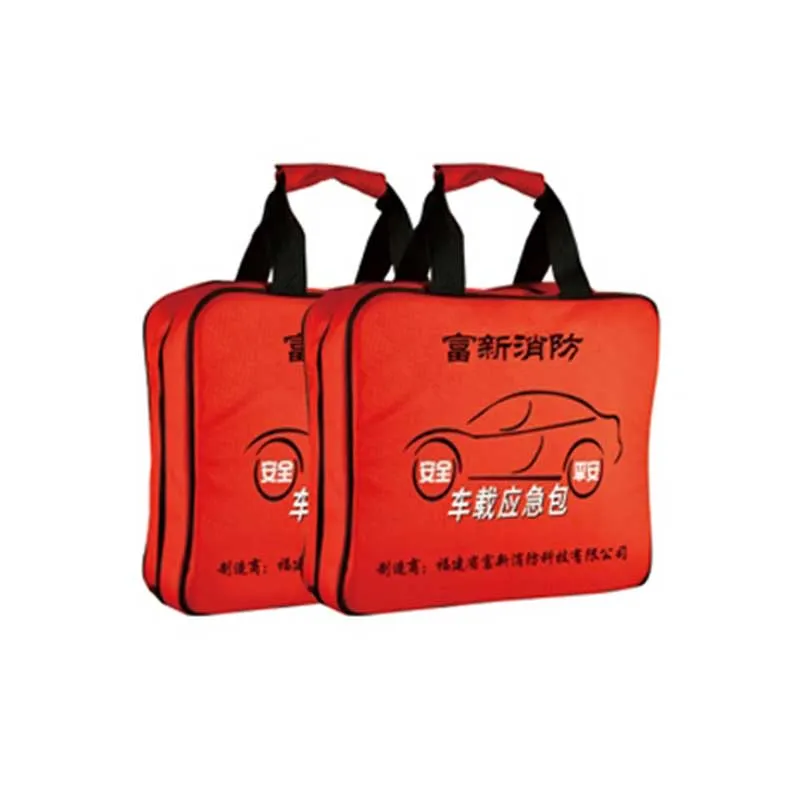
Car emergency fire kit
-
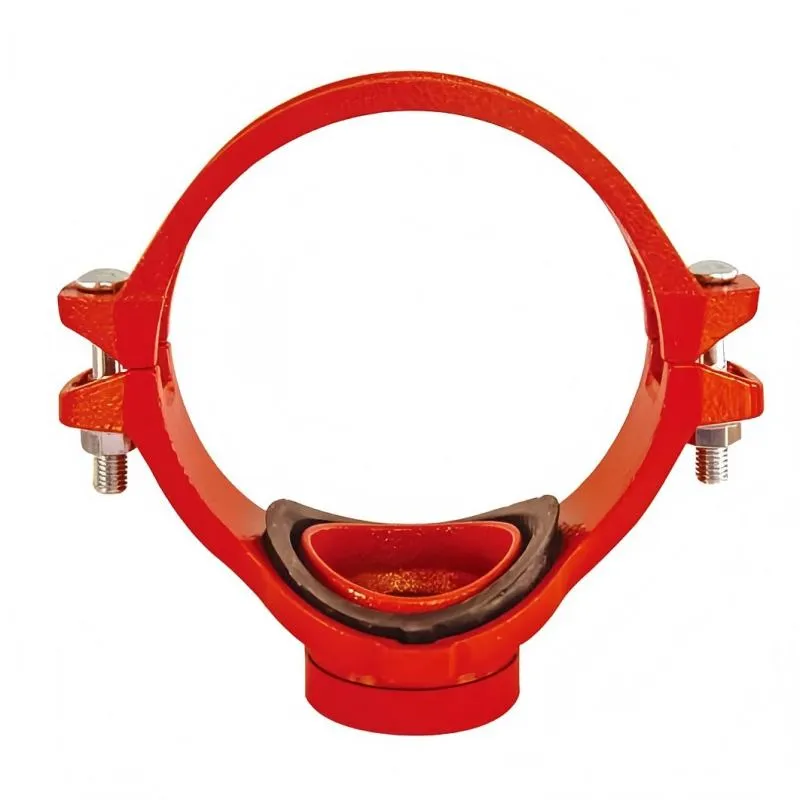
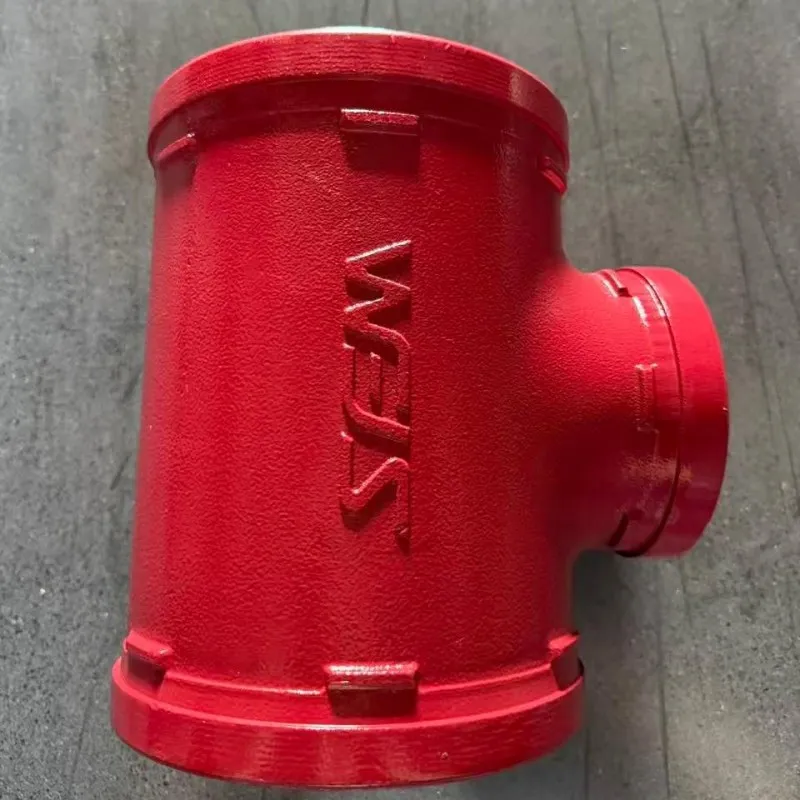
groove mechanical tee
-
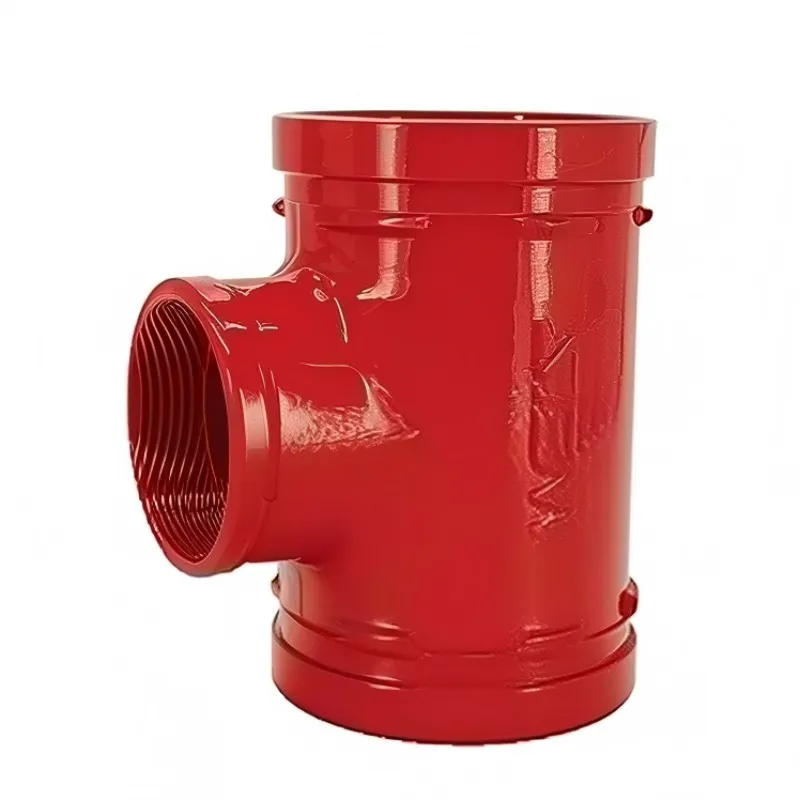
adapter tee for thread
-
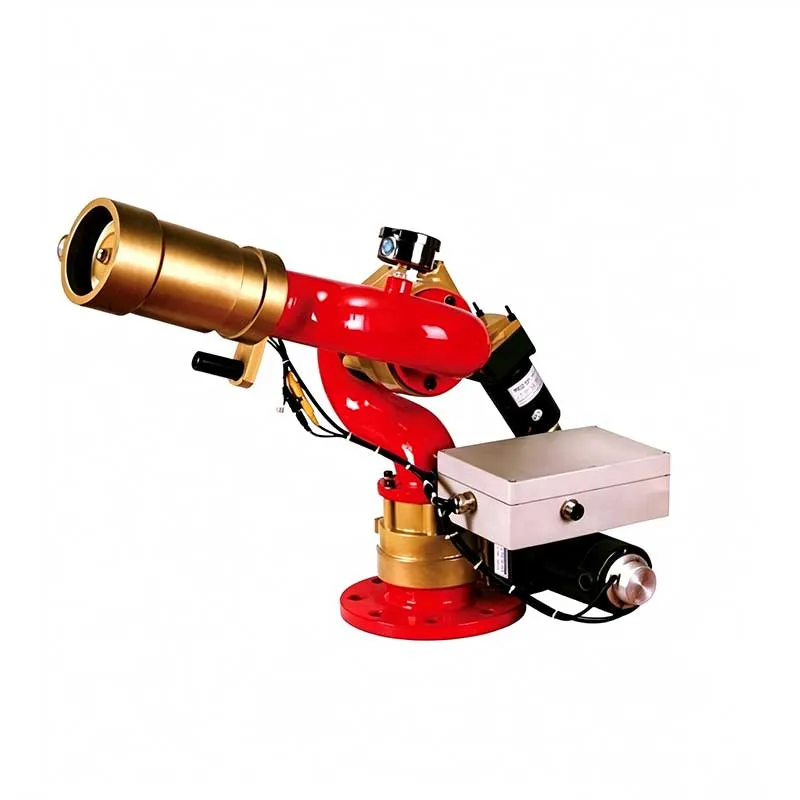
ZDMS Series Automatic Tracking Fire Extinguishing Device (Fire Water Gun)
-
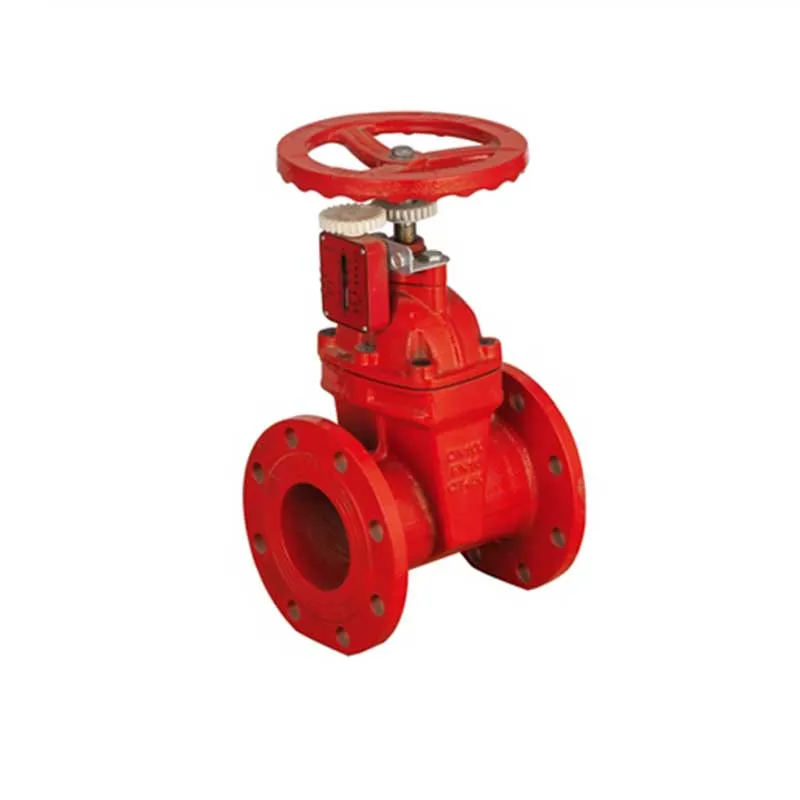
Fire alarm valve ZSXZF series
-
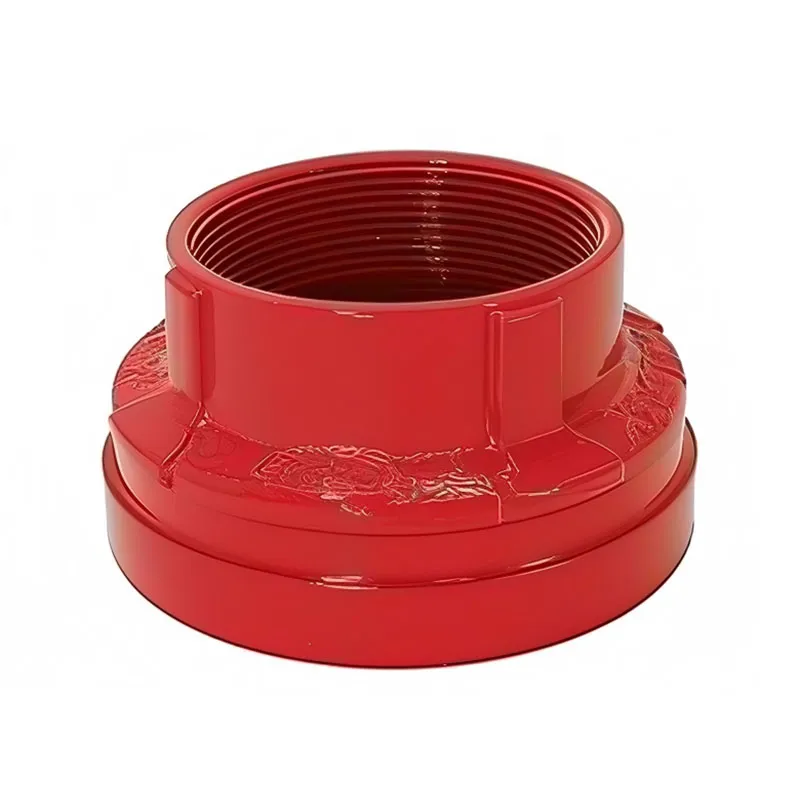
groove transition with internal thread
-
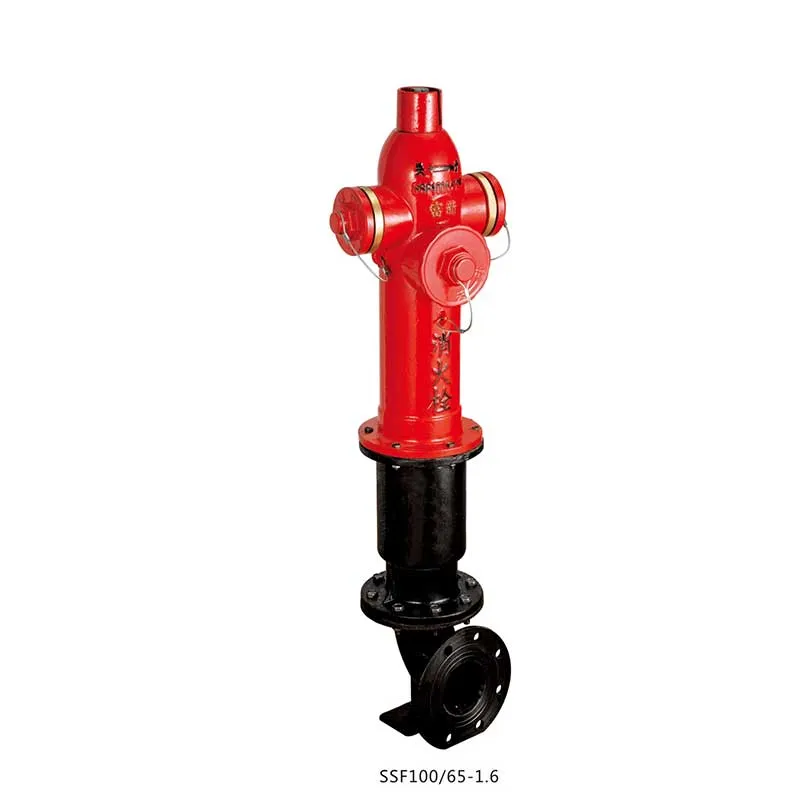
Outdoor Ground Fire Hydrant Shockproof Design
-
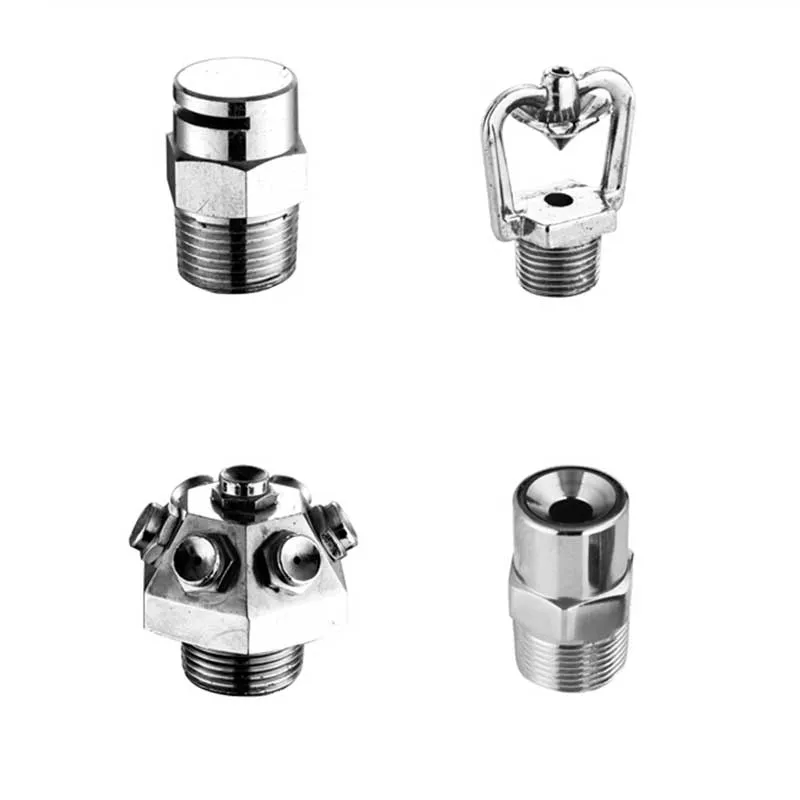
Water curtain and water mist sprinkler ZSTMC/ZSTMB
-
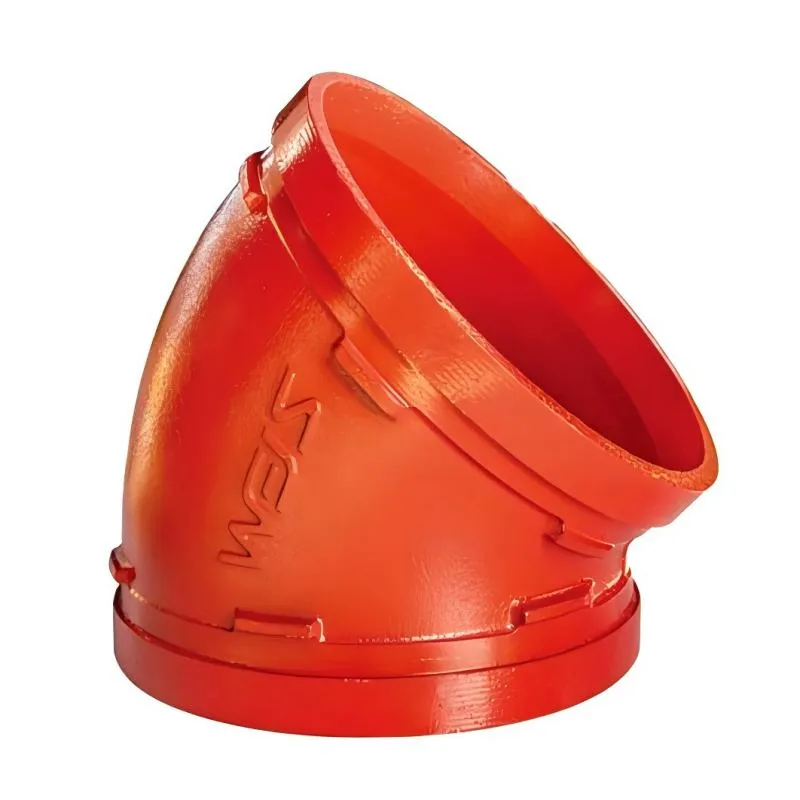
groove bend 45°
-
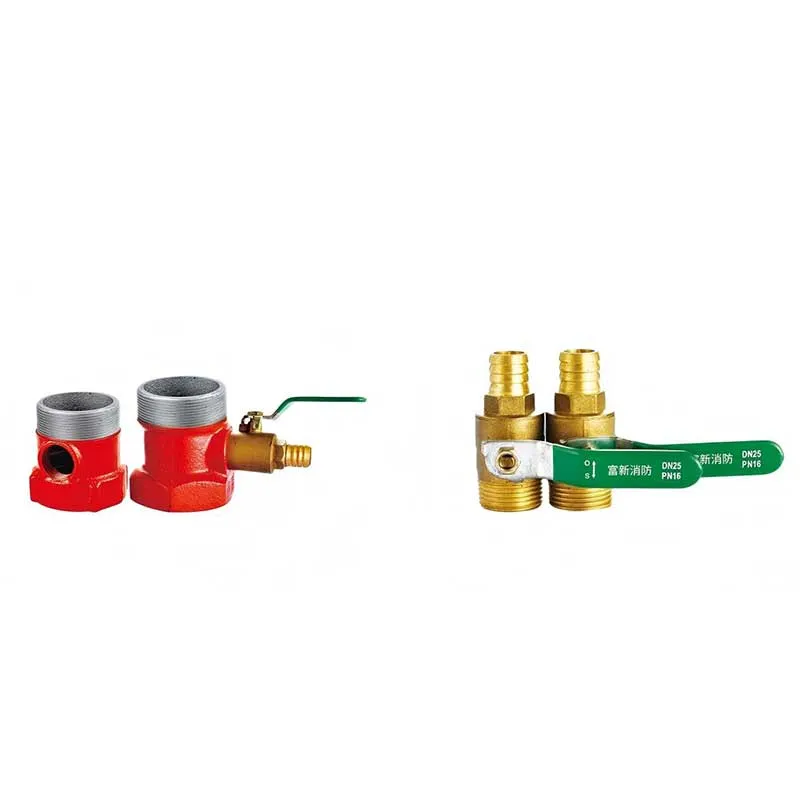
Roll Hose Tap Adapter
-
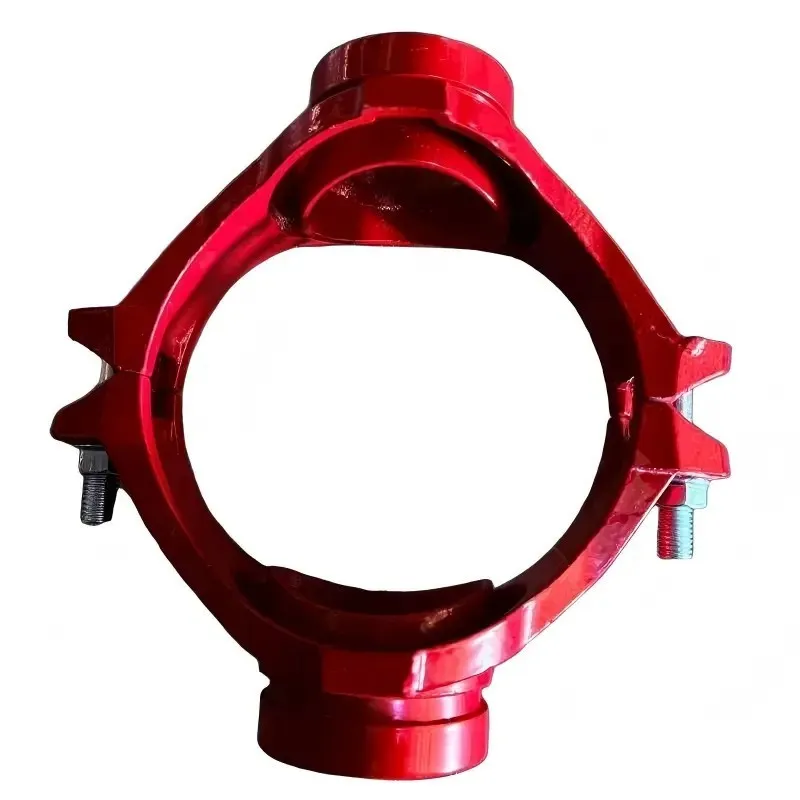
groove mechanical cross
-
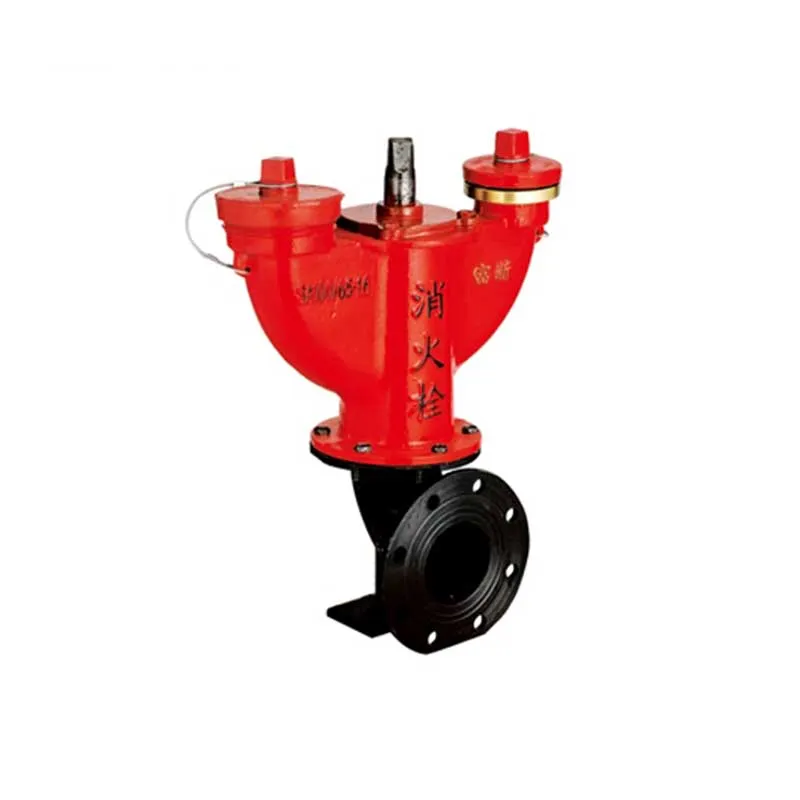
Composite underground outdoor fire hydrant SA100/65-1.6A
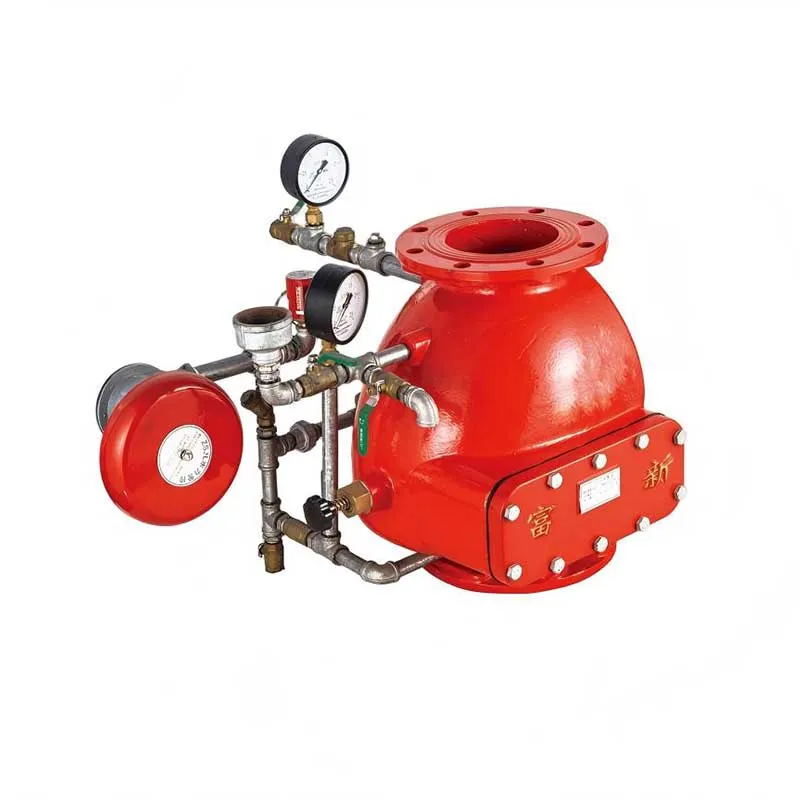
ZSFC Dry Signal Valve Series
The ZSFC dry alarm valve is the main water control unit of a dry automatic sprinkler system and an indispensable key element of the complex. In standby mode, the pipeline behind the valve is filled with compressed gas, which simultaneously holds the valve in the closed position and continuously monitors the tightness of the entire pipeline network.
Description
marker
Product Description
The ZSFC dry alarm valve is the main water control unit of a dry automatic sprinkler system and an indispensable key element of the complex. In standby mode, the pipeline behind the valve is filled with compressed gas, which simultaneously holds the valve in the closed position and continuously monitors the tightness of the entire pipeline network. When the sprinklers heat up and destroy at the source of the fire, the gas pressure in the line decreases sharply. Once the set threshold is reached, the dry alarm valve is automatically activated, pressurized water enters the pipeline and flows out through the sprinklers to extinguish the fire. Standard wet sprinkler systems are designed to operate in ambient temperatures between +4 °C and +70 °C.
Facilities where the temperature drops below +4 °C and there is a risk of water freezing are equipped exclusively with dry systems. The valve assembly may only be installed in areas without the threat of icing and freezing. The reason is as follows: in the standby state, the pipes on the water supply side are constantly filled with water, and the gas chamber of the system also contains sealing water to maintain the tightness of the unit. At low temperatures, the sealing water in the gas chamber easily freezes. In mild cases, this prevents normal operation of the valve and disables the system; in severe cases, it leads to rupture of valve body elements and irreversible equipment failure.

contact us
Related Popular Products
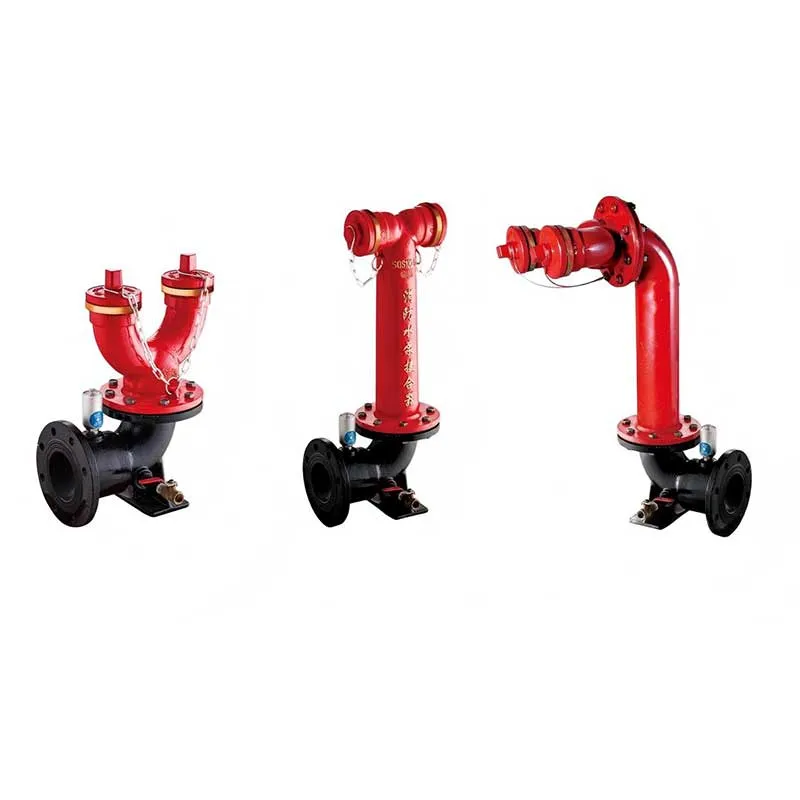
Fire connection series for pumps
The fire connection for pumps is an important external support device for the internal fire water supply system of buildings. Designed to supply fire water or liquid fire extinguishing agents from fire trucks and mobile pumps to the internal pipeline network of the facility, it is a key transition element connecting external rescue equipment and the internal fire system.
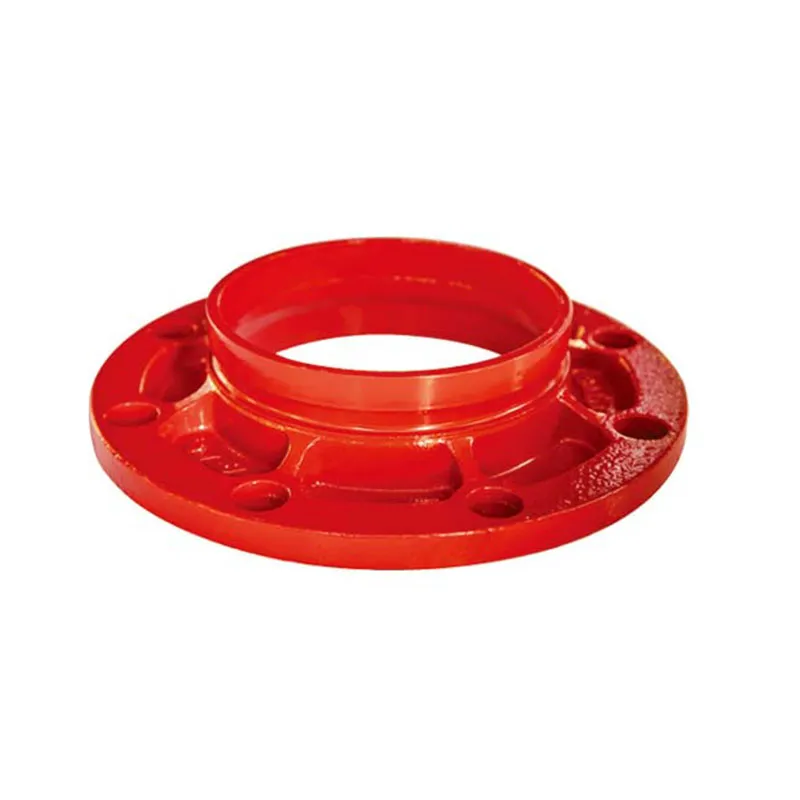
groove flange
Technical characteristics: Products are made to individual orders. The groove flange (adapter flange) is a key connecting element for mating groove steel pipes with flanged fittings - valves, pumps, flange fittings.
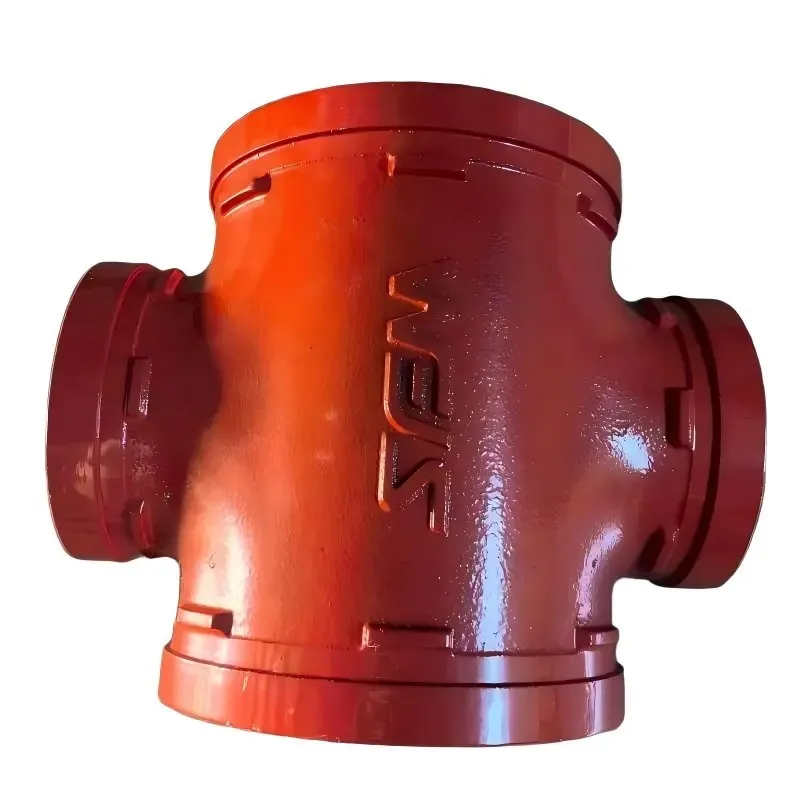
groove transition cross
Technical characteristics: Products are made to individual orders. This groove adapter is a key fitting for changing diameter and branching in groove fire extinguishing piping systems.
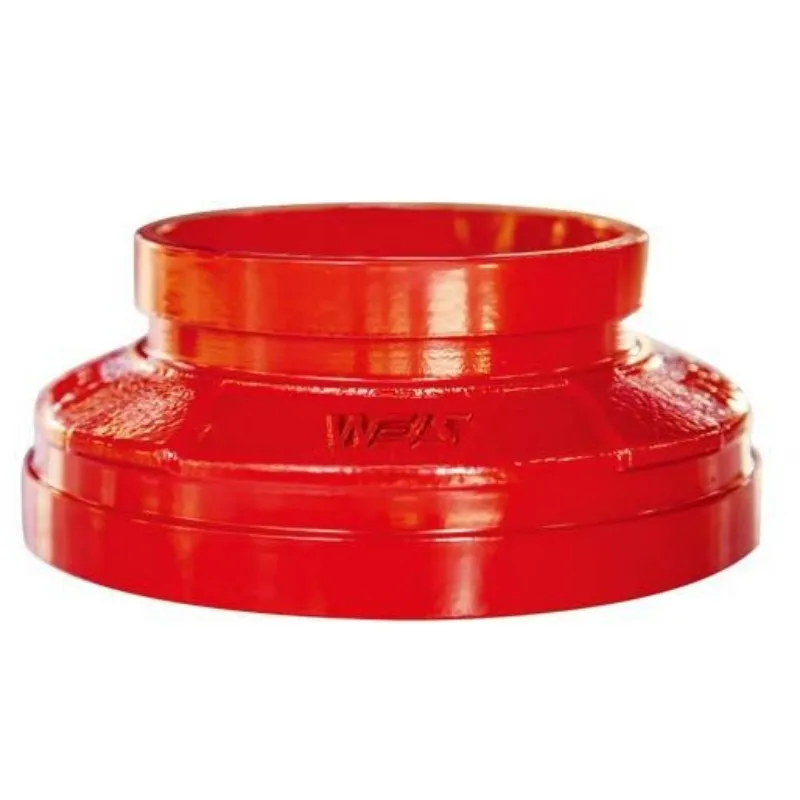
groove transition
Technical characteristics: Products are made to individual orders. This groove adapter is a key fitting for changing the diameter and branching in fire extinguishing, water supply and drainage piping systems.
adapter tee for thread
Technical characteristics: Products are made to individual orders. This threaded adapter tee is a widely used connecting element in piping systems. The product is made with threaded connections on all three ends, which ensures simple and quick installation and makes it suitable for standard threaded pipelines.
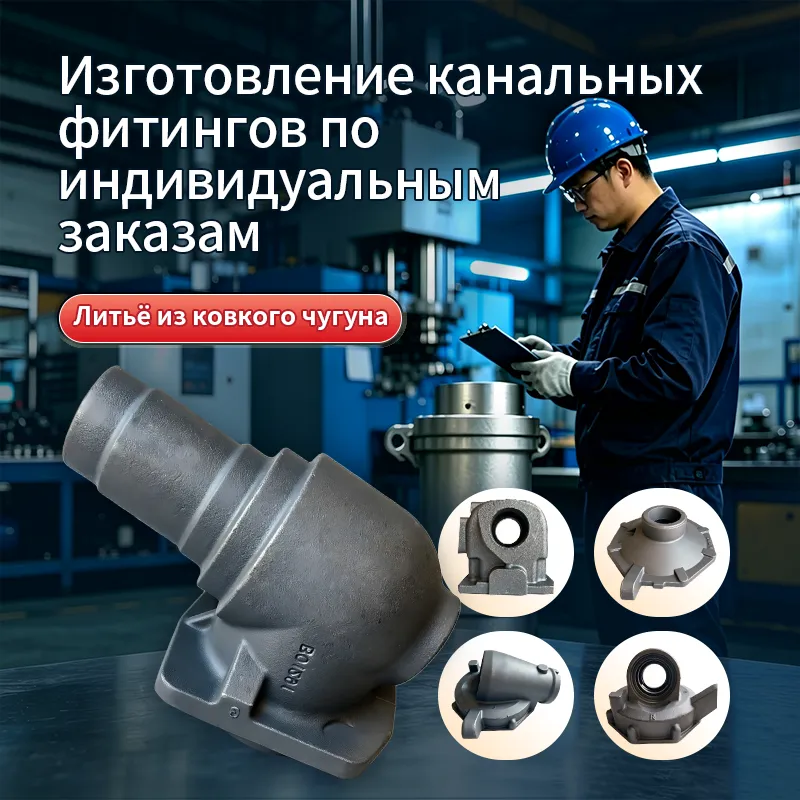
Custom casting services for agricultural machinery spare parts
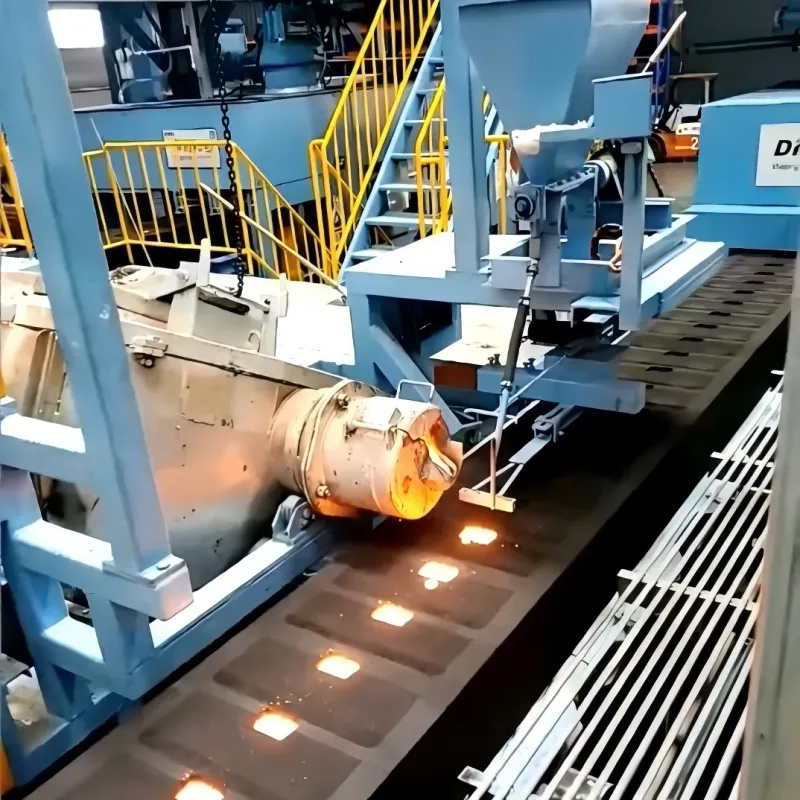
We specialize in custom casting of spare parts for agricultural machinery, offering solutions for casting components for tractors, combines, seeders, crop protection machines and other units, including transmission parts, connecting structures, chassis elements, wear-resistant operating units and other products of various categories.
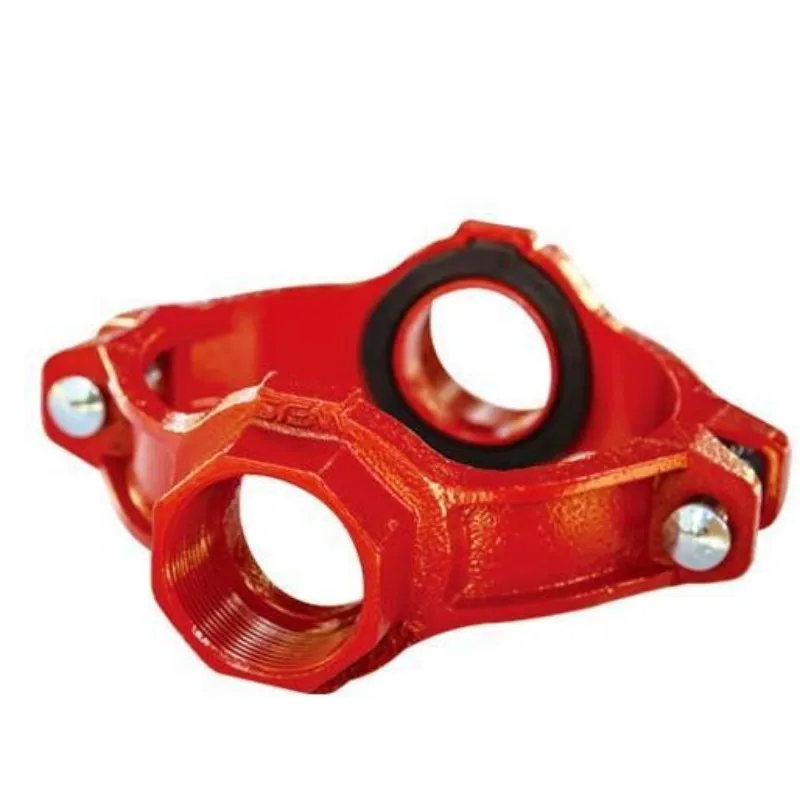
threaded mechanical cross
Technical characteristics: Products are made to individual orders. This threaded mechanical cross refers to branch fittings that are mounted on a finished pipeline without cutting it.
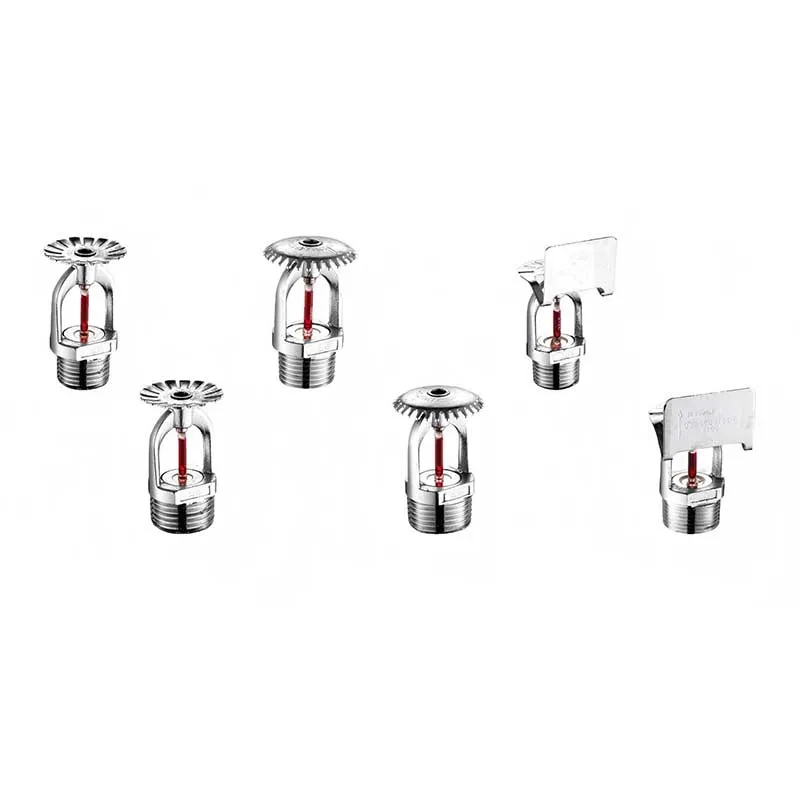
Quick release sprinkler K-ZST
The fast-acting sprinkler model K-ZST, compared to the standard T-ZST sprinkler, has the main advantage of increased temperature sensitivity. The temperature-sensitive element is much more sensitive and responds much faster when heated.
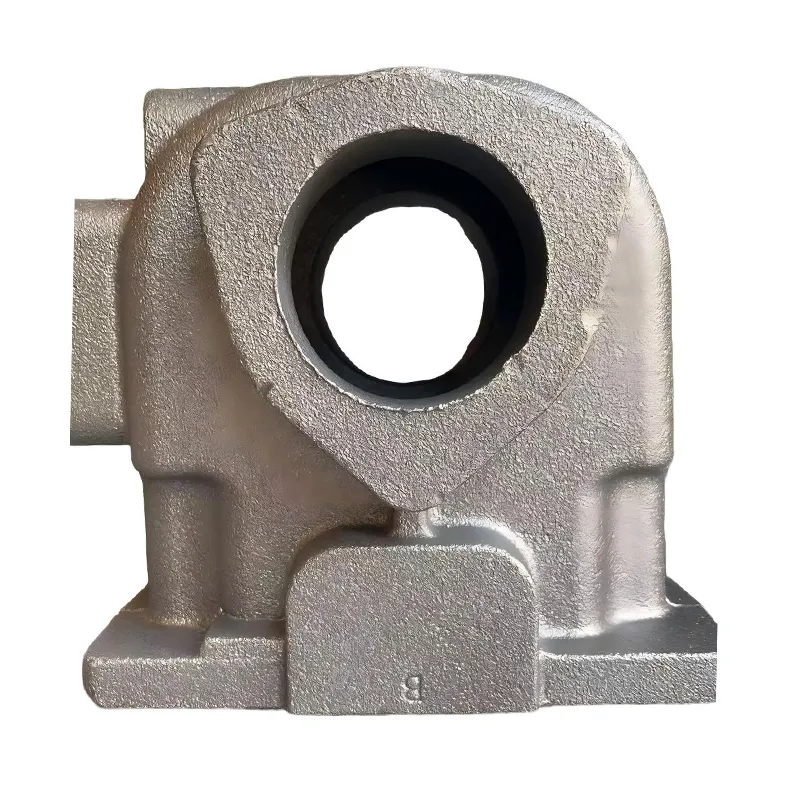
transfer case housing
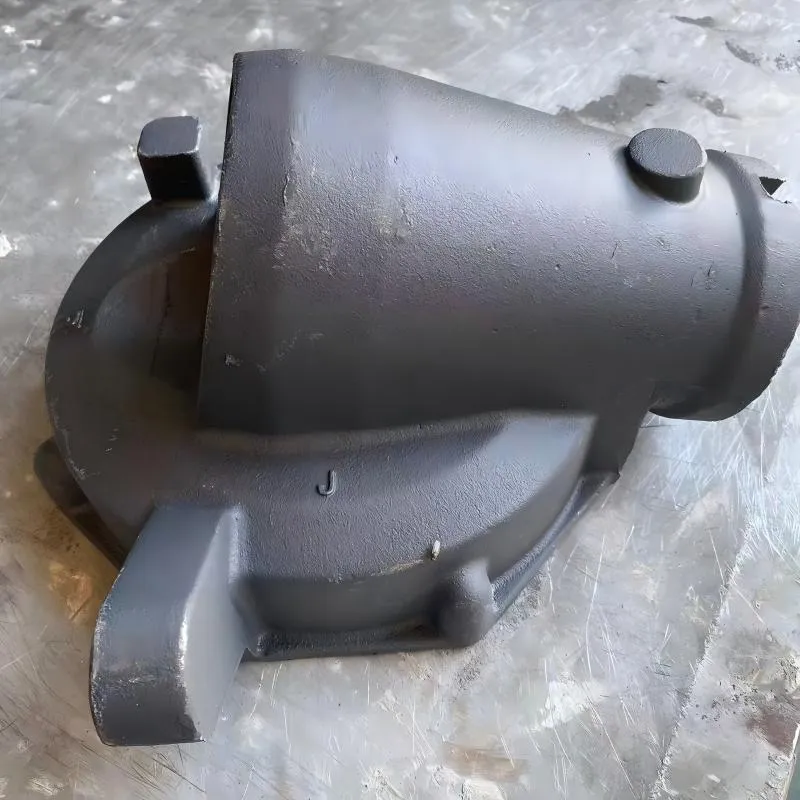
This transfer case housing made of high-strength cast iron is designed for agricultural machinery. The product is made by precision casting from high-strength nodular cast iron and is specially designed for transmission systems of tractors, cultivators and other agricultural machines.
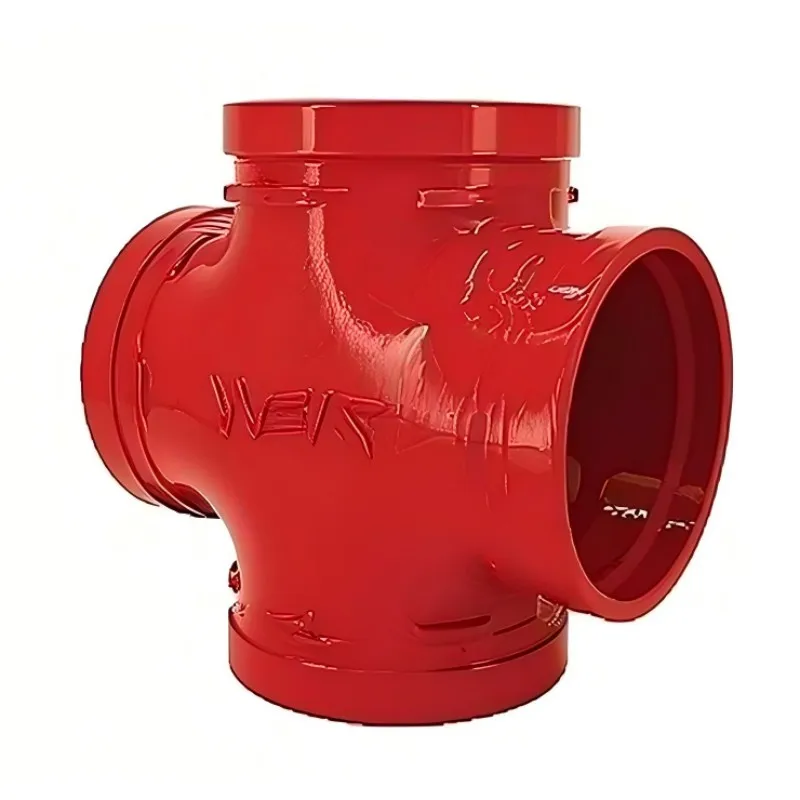
groove cross
Technical characteristics: Products are made to individual orders. This groove cross is a specialized fitting for four-way branches in pipeline systems.
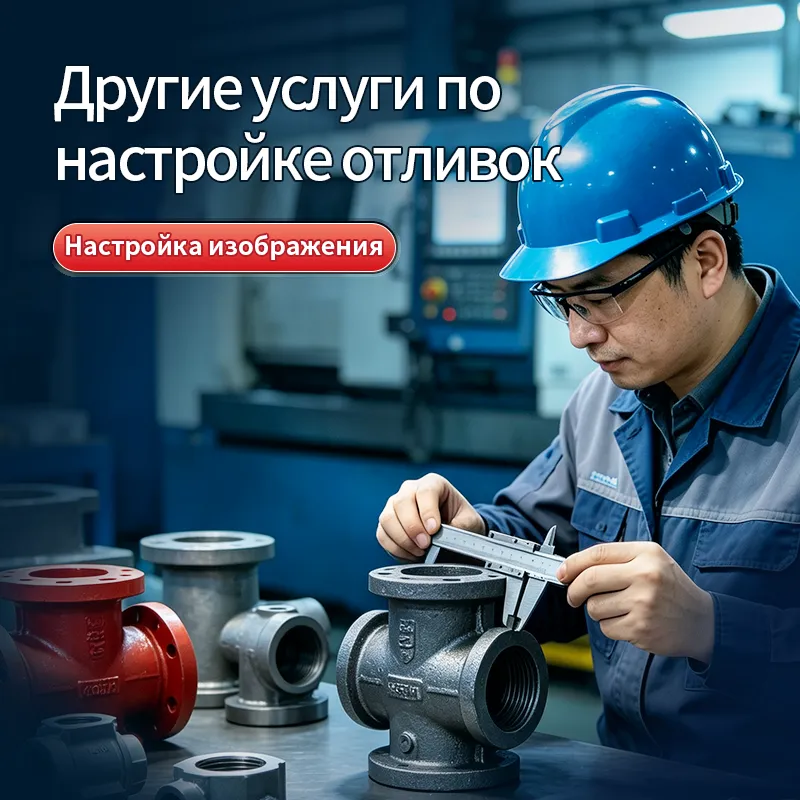
Other custom casting services
We provide comprehensive services for the production of any non-standard turnkey cast products for a wide range of industries: construction equipment, automotive parts, industrial equipment, municipal buildings, power equipment and other areas, we accept individual orders for casting products that are not included in the standard range.
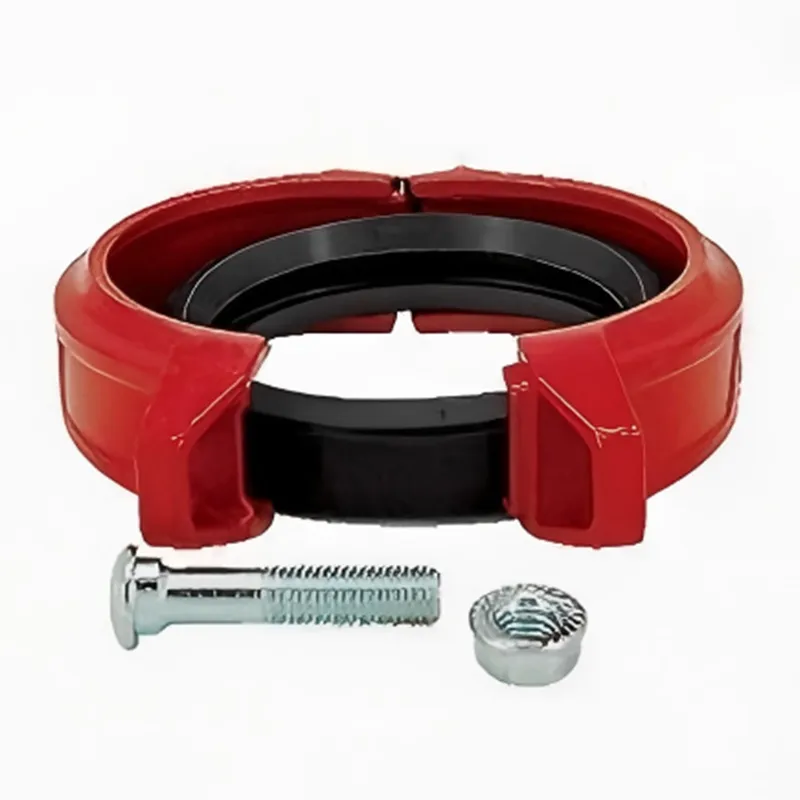
rigid groove coupling
This series of rigid groove couplings XGQT is presented in a full range of sizes: DN50–DN250 (pipe outer diameter 60–273 mm), including the popular standard sizes DN50, DN65, DN80, DN100, DN150, DN200. The couplings are available in two pressure classes: 1.6 MPa and 2.5 MPa.
Lightweight fire hose LQG
The lightweight fire hose of the LQG series is a mandatory stationary, simplified fire-fighting equipment for the interior of buildings, widely installed in fire cabinets of civil and industrial facilities for emergency extinguishing of the initial stages of fires.
Signal fire protection butterfly valve ZSXDF series
The ZSXDF Alarm Fire Butterfly Valve is a specialized control valve designed exclusively for fire piping systems.
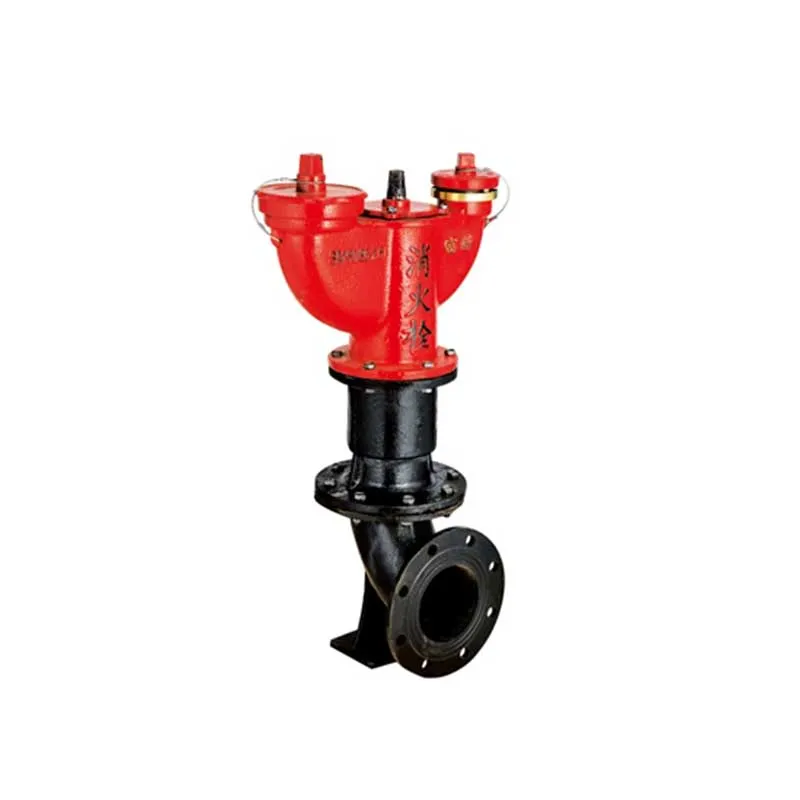
Underground external fire hydrant SA100/65-1.6, SA150/80-1.6
The underground external fire hydrant is designed and manufactured according to the GOST-like standard GB4452-2011 “External fire hydrants”. It has a neat aesthetic shape, a well-thought-out design with excellent hydraulic characteristics, while being compact and easy to disassemble, assemble, routine inspections and long-term maintenance.
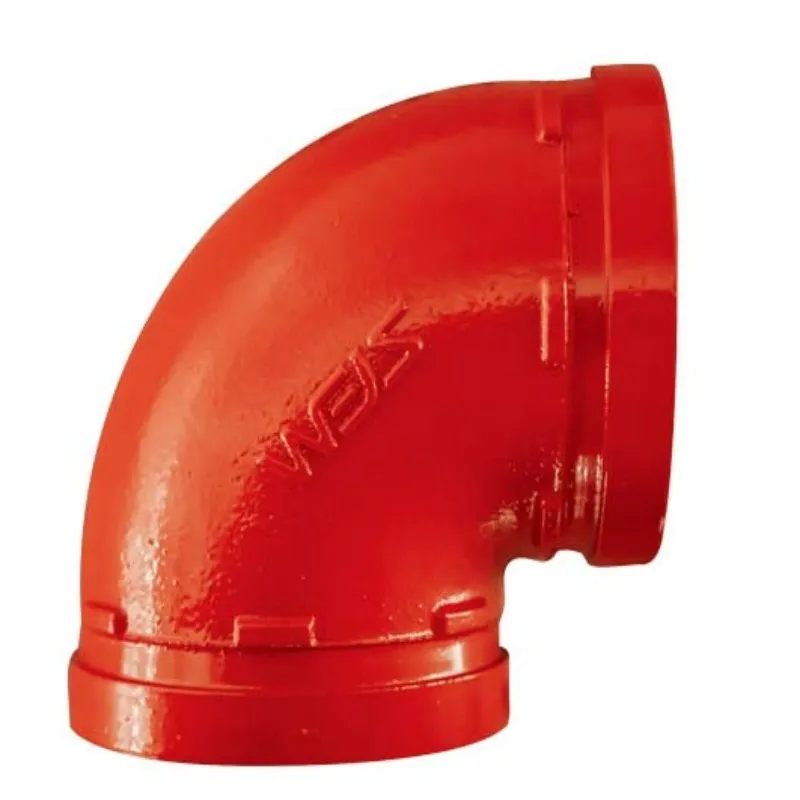
groove bend 90°
Technical characteristics: Products are made to individual orders. This 90° groove bend is a key fitting for changing the direction of the pipeline at right angles and is the most popular element when laying fire extinguishing, water supply and drainage systems.