
+86-536-7951951




Technological innovations open up new market niches | Overcoming technical limitations for large diameter comb fittings, active implementation in municipal water management
2026-06-28
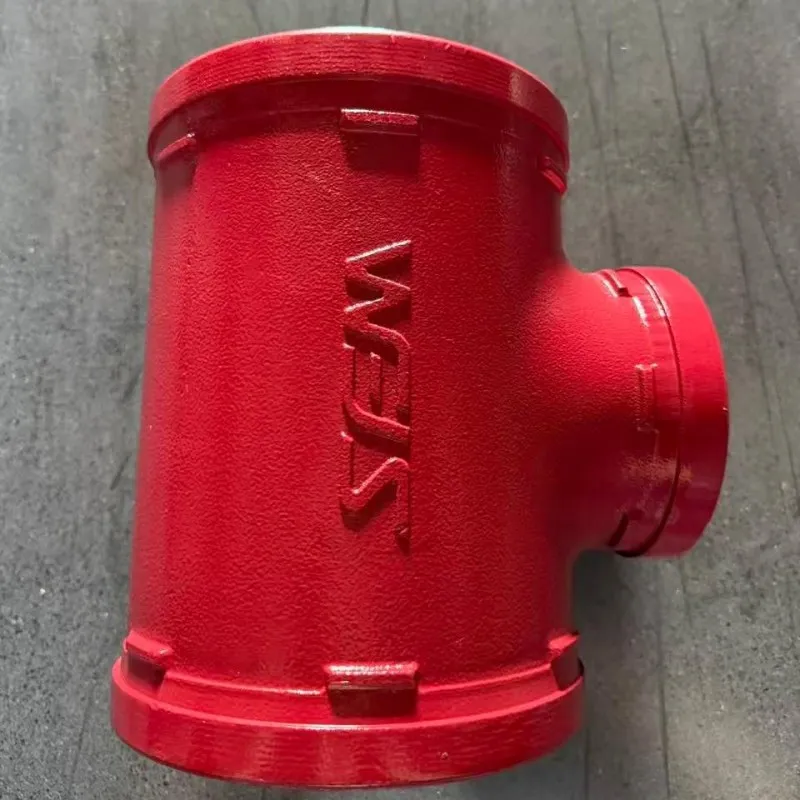
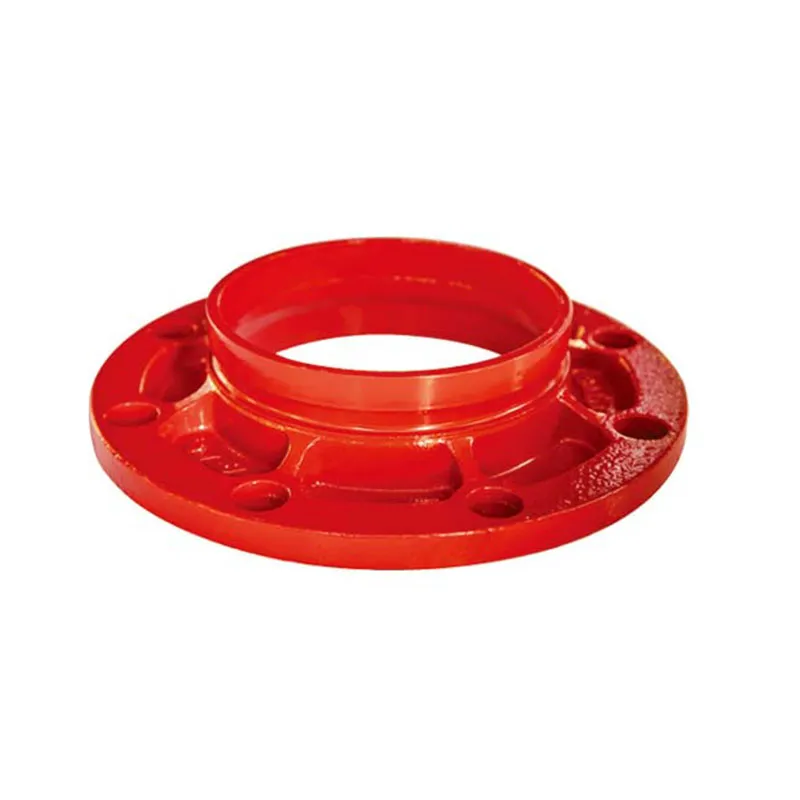
Over the past two years, the major technological breakthroughs in the comb fitting industry have been in large diameter products. Full-fledged serial production of domestic comb clamps of extra-large diameter DN300–DN800 has been organized, which are widely used in municipal water supply systems, hydroelectric power plants and hydraulic engineering facilities. This changed the established practice, when large cross-section pipelines were connected exclusively by welding or flange couplings.
The industry standard “Technical Rules for Comb Connections of Steel Pipes for Hydroelectric and Hydraulic Structures” has been put into effect. The document officially included comb connection technology in the catalog of design solutions for water bodies, opening up a multi-trillion-dollar hydraulic equipment market for large-size comb fittings. Compared to classical welding, the installation of comb clamps is accelerated by 70%, the work is carried out without an open flame, and disassembly for maintenance is simple. When using anti-corrosion epoxy coated comb fittings in underground main pipelines, the service life of the network exceeds 50 years, which significantly reduces subsequent maintenance costs.
Implemented engineering projects confirm that in many urban and rural settlements, main water pipelines are being reconstructed by replacing standard flange fittings with large-sized comb connections. At the same time, the development of lightweight composite comb clamps is accelerating: modified polymer products have a 30% higher pressure strength and are being tested on special pipelines of chemical plants and offshore platforms. All industry participants agree that large diameter comb fittings, special anti-corrosion and earthquake-resistant models will become the main driver of industry growth in the next three years, expanding the scope of their application from exclusively fire communications to all liquid media transportation systems.