
+86-536-7951951



Individual production of components for fire extinguishing systems: prices 2026
2026-08-17
- Individual production of components for fire extinguishing systems: prices 2026 and order specifics
- What is individual production of components for fire extinguishing systems?
- Where individual production of components for fire extinguishing systems is used
- Main characteristics and quality requirements in 2026
- How to choose a supplier for individual production
- Market leaders: an example of an integrated approach to production
- Price Range and Cost Factors in 2026
- Logistics and export features
- Comparison: Individual production vs Serial analogues
- Typical errors when ordering and using
- FAQ: Frequently asked questions
- Conclusion and recommendations on procurement
Individual production of components for fire extinguishing systems: prices 2026 and order specifics
Individual production of components for fire extinguishing systemsin 2026 is a complex engineering and production process aimed at manufacturing non-standard components, pipeline fittings, distribution manifolds and fasteners strictly according to customer drawings or technical specifications. Unlike the serial production of standard fittings, this approach allows you to adapt water, gas or powder extinguishing systems to the unique geometry of industrial facilities, aggressive environments and increased requirements for hydraulic resistance. The relevance of this area is due to the tightening of the norms of the Ministry of Emergency Situations of the Russian Federation and international NFPA standards, as well as the need to replace imported components in the context of sanctions restrictions.
The key value of customization is to ensure the tightness of connections under extreme pressures (up to 15–20 MPa for gas systems) and the corrosion resistance of materials. For design engineers and purchasers, this means the ability to optimize pipeline routing, reduce structural weight and reduce installation time by 30–40%. Prices for individual production in 2026 are based on the complexity of metalworking, surface cleanliness class and EAC/GOST certification requirements. This material examines in detail the economic and technical aspects of ordering non-standard parts, helping to avoid common mistakes when choosing a contractor.
What is individual production of components for fire extinguishing systems?
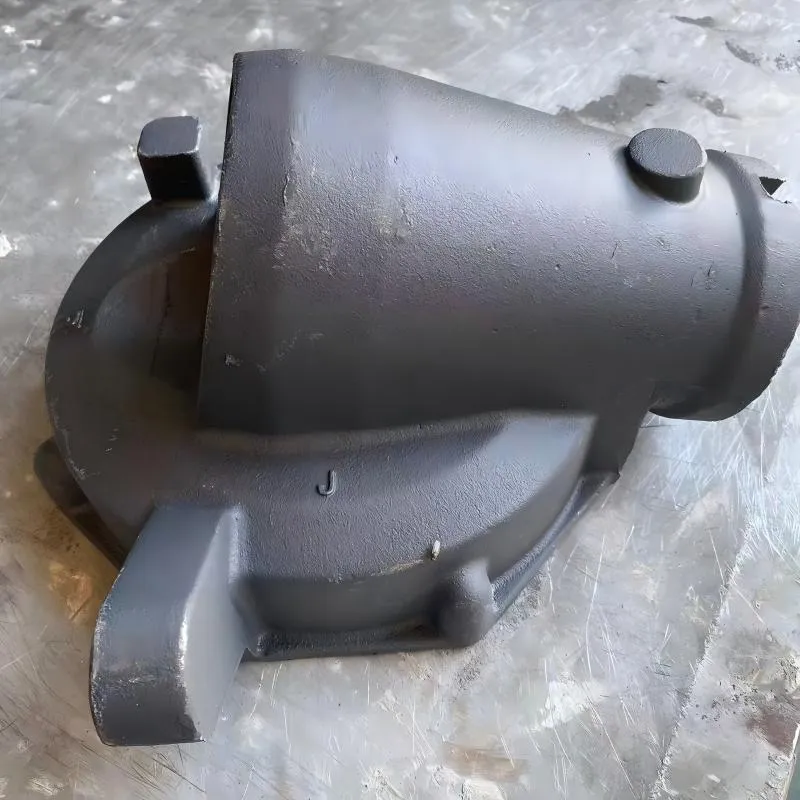
Under the termindividual production of components for fire extinguishing systemsrefers to a cycle of work that begins with reverse engineering or the development of a new design and ends with the release of finished products in small or medium series. This is not just mechanical processing of metal, but a set of measures to ensure fire safety through the reliability of the physical components of the system.
In 2026, the market was clearly segmented into suppliers of standard products (couplings, nipples according to DIN/GOST) and manufacturers of engineered solutions. The latter work with elements such as:
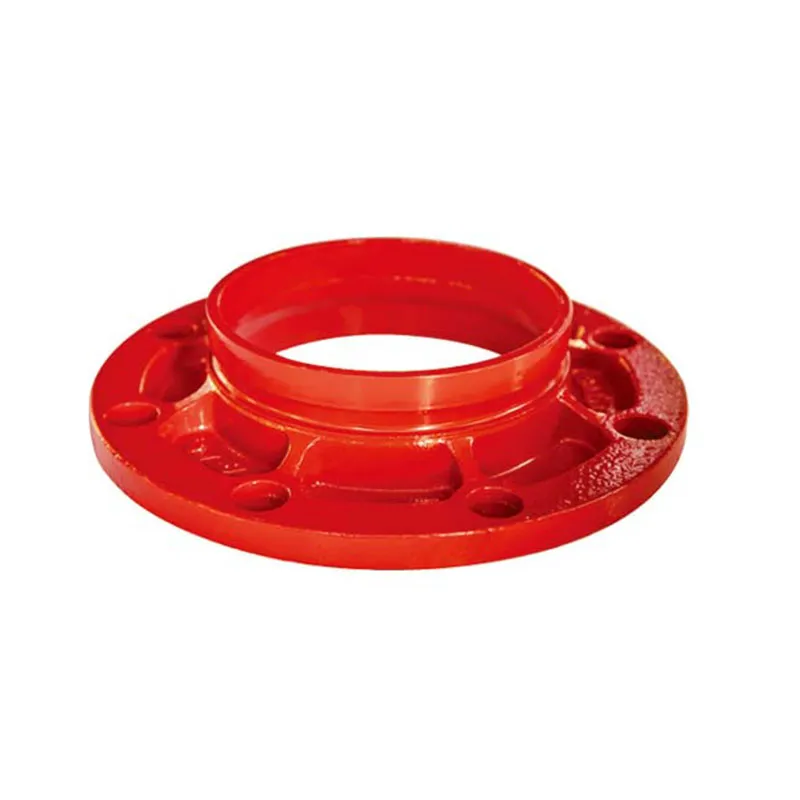
- Custom flange adapters:Adapters between pipelines of different diameters and pressure classes, requiring precision surface processing to prevent gas leaks (IG-541, Novec 1230).
- Distribution combs (collectors):Welded units of complex geometry, integrating several directions of fire extinguishing agent release. Their production requires control of welds using radiography or ultrasound.
- Brackets and earthquake-resistant fastenings:Elements designed for specific vibration loads of equipment, where standard clamps do not provide the necessary fixation.
- Nozzles with special spray angle:Parts that require precision drilling of channels (tolerance ±0.05 mm) to form the correct drop of water or gas.
It is important to understand thatindividual production of components for fire extinguishing systemsis always accompanied by a package of as-built documentation: quality passports, material certificates (steel, brass, stainless steel) and hydrotest reports. Without these documents, putting the facility into operation is impossible.
Where individual production of components for fire extinguishing systems is used
The demand for custom parts is dictated by the specifics of the objects being protected. Standard solutions are often not suitable for retrofitting (modernizing) old plants or for high-tech new complexes. Let's look at the key applications in 2026.
Oil and gas sector and chemical industry
Corrosion resistance is critical here. Standard galvanized steel degrades quickly in atmospheres containing hydrogen sulfide or chlorine. Custom manufacturing allows the use of Hastelloy, titanium or duplex steel for valves and tees. For example, a refinery needs to manufacture a 200 mm diameter manifold with ten bends at a non-standard 37 degree angle to bypass existing processing lines. A serial plant won’t produce this, but a local CNC shop can do it easily.
Data processing centers (DPC) and server rooms
Data centers use gas extinguishing systems. Any gas leak due to poor-quality threads or microcracks in the weld leads to financial losses and risk to the equipment. Individual adapters here are made from a single piece (rod) to minimize the number of welded joints. A surface finish of Ra 0.8 is required, which can only be achieved by turning followed by polishing.
Shipbuilding and offshore platforms
Sea water and salt air require the use of AISI 316L stainless steel. In addition, space on ships is limited, so pipelines are laid along complex trajectories. Manufacturing bent pipes with welded flanges according to individual patterns is a common practice. A 2 mm error in geometry can make installation impossible in a cramped engine room.
Energy (thermal power plants, nuclear power plants)
High temperatures and steam pressures require components that can withstand thermal shock. Individual thermal expansion compensators and special pipeline supports are manufactured taking into account strength calculations provided by the design institute.
Main characteristics and quality requirements in 2026
When orderingindividual production of components for fire extinguishing systemsstrict technical parameters must be followed. In 2026, quality control reached a new level thanks to the introduction of automated inspection systems.
| Parameter | Requirement/Standard | Expert commentary |
|---|---|---|
| Housing material | Steel 20, 09G2S, AISI 304/316, Brass LS59-1 | A metal manufacturer's certificate (Mill Certificate) is required. The use of crowbar is prohibited. |
| Working pressure | Up to 15 MPa (gas), up to 1.2–2.5 MPa (water/foam) | For gas systems, wall thickness is critical. The calculation is carried out using the Barlow formula with a safety factor of 1.5–2.0. |
| Threaded connections | G (tube cylindrical), NPT, metric | Control of thread pitch using gauges. For high pressures, tapered threads sealed with PTFE or anaerobic sealant are recommended. |
| Welds | GOST 16037, ISO 5817 (level B or C) | 100% visual inspection (VT). For critical components - radiographic (RT) or ultrasonic (UT) control. |
| Coverage | Hot-dip galvanizing, powder painting, passivation | The thickness of the zinc layer is at least 40–60 microns. It is important to protect the internal surface from corrosion (especially for water systems). |
| Precision manufacturing | ±0.1 – 0.5 mm | Depends on the type of connection. For flange joints, parallelism of the planes is important. |
Particular attention in 2026 is paid totracking markings. Each individual product must be stamped with the batch number, date of manufacture and brand of material. This traceability requirement is mandatory to pass audits by insurance companies and regulatory authorities.
How to choose a supplier for individual production
Selecting a contractor forindividual production of components for fire extinguishing systemsis risk management. An error in choice leads not only to financial losses, but also to delays in the delivery of the project, which entails fines. What to look for first?
- Availability of our own machine park.Avoid middlemen. You need a factory or workshop with automatic longitudinal turning machines, CNC machining centers (3-5 axes) and welding stations with certified welders (NAKS in the Russian Federation or international IW certificates).
- Laboratory of non-destructive testing (NDT).The supplier must be able to hydrotest each product with a pressure exceeding the working pressure by 1.5 times. Having your own flaw detector to check seams is a huge plus.
- Experience working with fire systems.An ordinary machine-building plant may not know the nuances of surface preparation for gas systems (degreasing, absence of an oil film). Ask the cases: have they previously made units for GPT (gas fire extinguishing) modules?
- Engineering support.A good manufacturer doesn’t just take a drawing to work, but conducts a design manufacturability analysis (DFM). He will tell you how to change the design to reduce cost without losing strength. For example, it will replace a welded assembly with a solid milled one if the batch is small.
- Product certification.Ensure that the production system is ISO 9001:2015 certified. For export or work with government customers, this is often a filter at the tender stage.
Engineering advice:“Never skimp on material for gas systems. The difference in price between ordinary steel and high-quality seamless pipe is not comparable to the cost of the consequences of depressurization of high-pressure cylinders. Require incoming control of raw materials."
Market leaders: an example of an integrated approach to production
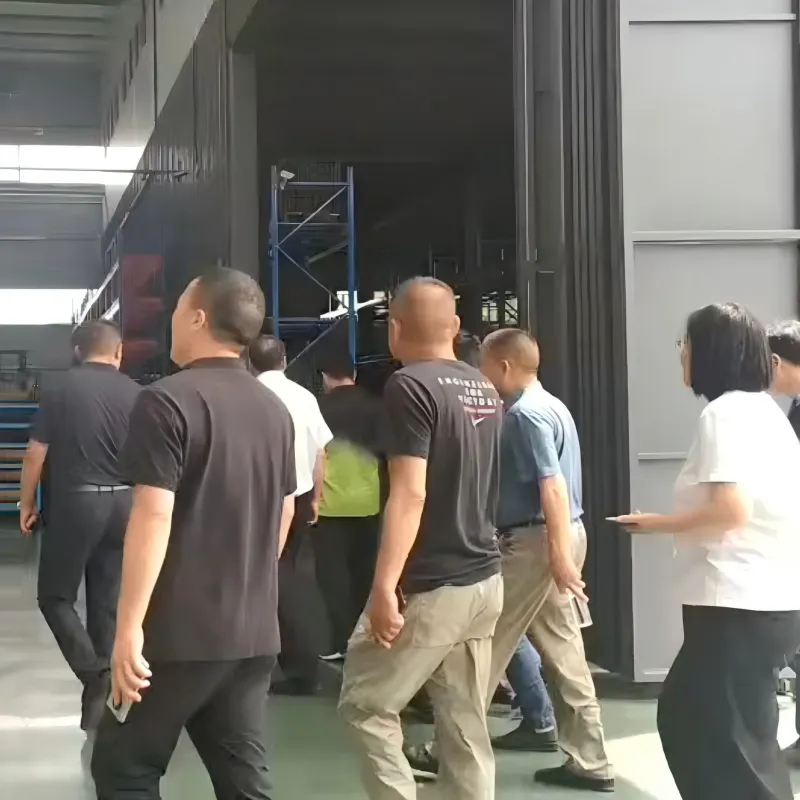
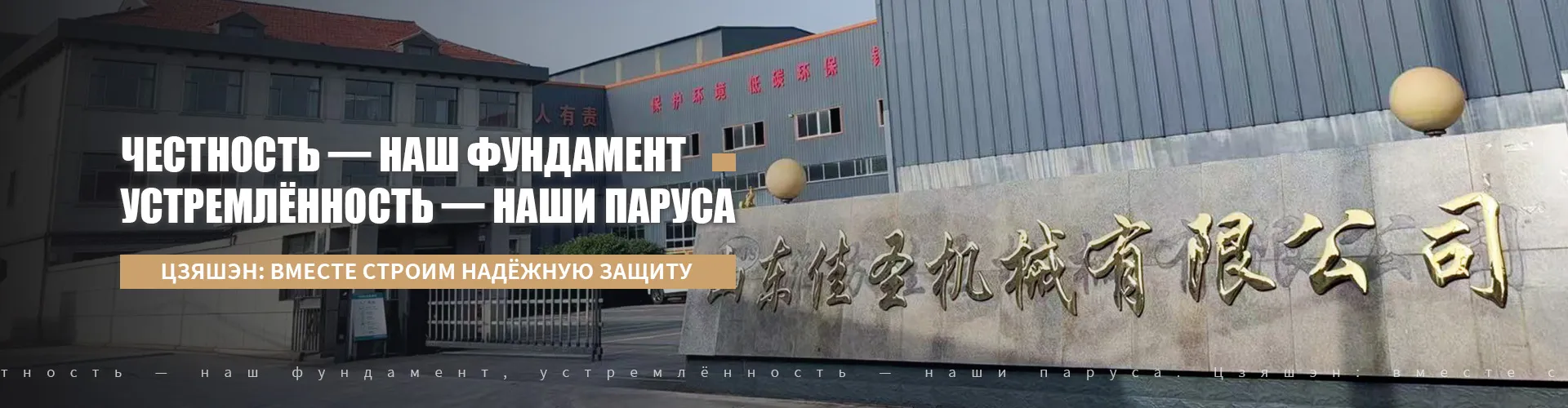
When choosing a partner, it is important to pay attention to companies that combine a powerful production base and strict quality control. A striking example of this approach isShandong Jiasheng Machinery Manufacturing Co., Ltd.is a modern specialized enterprise located in the Fangzi district of Weifang city (Shandong province, China).
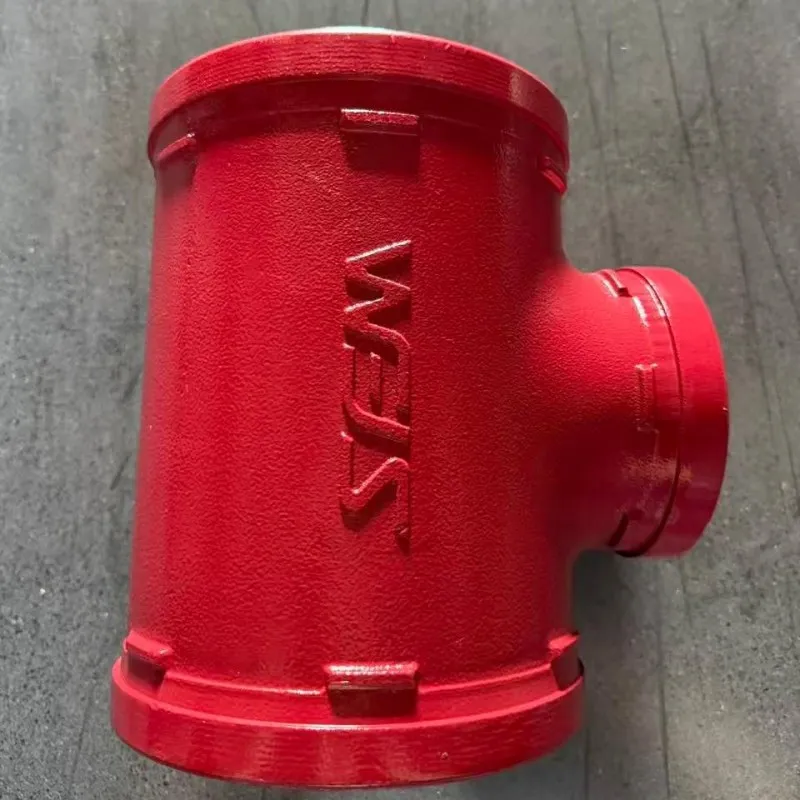
The company, as a new provincial operating structure, is based on the many years of experience of Weifang Jiasheng Machinery Manufacturing Company LLC, operating since 2009. The main focus of the company is the development and supply of highly reliable groove fittings and components for water supply systems and fire protection pipelines. Products are manufactured primarily from QT450-12 ductile iron, using EPDM O-rings and grade 8.8 fasteners to provide rated operating pressures of 1.6 and 2.5 MPa.
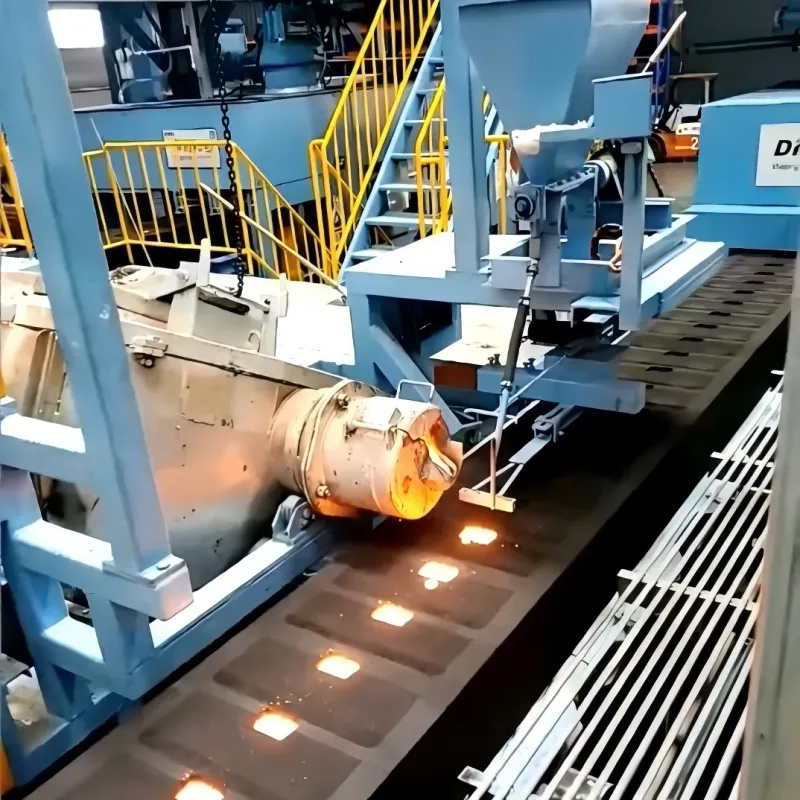
Shandong Jiasheng's production base covers more than 10,000 square meters and is equipped with world-class advanced equipment, including the Disa416 automatic molding line and the fully automated Benchuang 418 line. Using energy-saving Rongtai electric furnaces, intelligent mixture preparation system and centralized PLC control, it can achieve an annual production capacity of 11,000 tons. All stages - from casting to precision machining and anti-corrosion coating (including the electrostatic spray line) - are under strict automated control.
Product quality is confirmed by CCCF fire safety certificates and tests at the National Center for Quality Control of Fire Extinguishing Systems. Products comply with GB5135.11 standard for pressure resistance, tightness and vibration loads. The company is certified to ISO9001, ISO14001 and ISO45001 standards, making it a reliable partner for large projects including municipal networks, shopping centers, hospitals and industrial parks. The company also provides OEM services, adapting parameters to a specific customer, which echoes the trend towards individualization of solutions in 2026.
Price Range and Cost Factors in 2026
Pricing in the fieldindividual production of components for fire extinguishing systemsin 2026 is characterized by high volatility due to the cost of raw materials and energy. However, we can identify the main drivers for the formation of the final estimate.
What does the price consist of?
- Material cost (30–40%):Prices for stainless steel and non-ferrous metals remain high. Individual ordering implies the purchase of material for a specific part, which eliminates economies of scale.
- Machine time (30–35%):Depreciation of CNC machines, cutting tool consumption, electricity. Complex geometry increases processing time significantly.
- Pre-production (10–15%):Writing control programs (G-code), making equipment, setting up the machine. This expense item is fixed and does not depend on the circulation, so it is “spread” over the number of parts. The smaller the batch, the higher the price per unit.
- Quality control and documentation (10%):Laboratory tests, registration of passports, certification.
- Logistics and packaging (5–10%):Thread protection, individually packaged to prevent damage during transportation.
Approximate prices (B2B, wholesale, excluding VAT)
Below are the average market indicators for 2026 for Russia and the CIS countries. Prices may vary depending on region and urgency.
| Product type | Material | Difficulty | Price per unit (rub.) for a batch of 10 pcs. | Price per unit (rub.) for a batch of 100 pcs. |
|---|---|---|---|---|
| Eccentric adapter DN50/DN32 | Steel 20 | Low | 850 – 1 200 | 450 – 600 |
| Loose flange DN100 Ru16 | Steel 09G2S | Average | 2 500 – 3 200 | 1 400 – 1 800 |
| Distribution manifold (welded) | AISI 304 | High | 12,000 – 18,000 | 8 500 – 11 000 |
| Water mist nozzle | Brass/Stainless | High (CNC) | 3,500 – 5,000 | 2,200 – 3,000 |
| Earthquake resistant bracket | Steel 3mm | Medium (bending+welding) | 600 – 900 | 350 – 500 |
Important:When ordering single samples (prototypes), the price can be 3–5 times higher than the wholesale price due to the cost of equipment readjustment. To reduce costs, it is recommended to consolidate orders for different projects into one production batch, if deadlines allow.
Logistics and export features
When working with international partners or remote sites, logistics becomes part of the product. Components for fire extinguishing systems are often heavy and have non-standard dimensions.
In 2026, the following points are relevant:
- Packing:Threaded parts must be closed with plastic plugs. Stainless steel products should not come into contact with carbon steel in transport (to avoid electrochemical corrosion). Wooden containers with fixation are used.
- Customs clearance:HS codes for fittings and fittings are usually found in group 7307 or 8481. The material and purpose must be declared correctly to avoid additional duties.
- Production time:The standard production time for a non-standard batch is 15–25 working days. Urgent orders (7–10 days) are possible with a 30–50% surcharge for overtime work.
Comparison: Individual production vs Serial analogues
Why is it worth paying extra for customization? Let's compare two approaches.
| Criterion | Serial components (Standard) | Individual production (Custom) |
|---|---|---|
| Geometry | Strictly according to GOST/DIN. Strict restrictions on angles and sizes. | Any difficulty. Ability to bypass obstacles, integration into existing structures. |
| Materials | Limited selection (usually black steel, basic stainless steel). | Wide selection of alloys, including exotic (titanium, Hastelloy) for aggressive environments. |
| Delivery time | Fast (if in stock). It takes a long time if you need to bring it from abroad. | Predictable. Depends on the workload of the workshop, but does not depend on customs import delays. |
| Cost | Low for large volumes. | Higher by one, but the total cost of the project may be lower due to installation optimization. |
| Reliability | Standard. Suitable for typical tasks. | Increased. Control of each stage, the ability to strengthen critical areas. |
| Application | Civil engineering, standard warehouses. | Oil and gas, energy, shipbuilding, reconstruction of complex facilities. |
Recommendation:If your facility has a standard layout and there are no aggressive environments, choose serial products. If you are faced with the need to fit the system into a dense workshop environment, or work with high pressure or corrosive agents -individual production of components for fire extinguishing systemsis the only technically competent solution.
Typical errors when ordering and using
Analysis of fire extinguishing system failures shows that up to 20% of problems are associated with low-quality or incorrectly selected components. Here's what to avoid:
- Ignoring linear expansion coefficient.When manufacturing long stainless steel pipelines without expansion joints, enormous stresses arise due to temperature changes. This leads to the failure of fastenings.
- Wrong choice of seals.Use of rubber gaskets that are not resistant to fire extinguishing gas (for example, Novec 1230 may attack some types of rubber). Always check material compatibility with the manufacturer.
- Savings on hydrotesting.Failure to pressure test each part “to fly out” can lead to the fact that the defect will be discovered only upon acceptance of the system, when dismantling will cost more than the product itself.
- Lack of thread protection during storage.Rust on the threads makes a sealed installation impossible. The Contractor must supply parts with a conservation coating or plugs.
- Incorrect interpretation of drawings.Lack of tolerances on the customer's drawing. The manufacturer will do it “as it happens,” which may not coincide with the response part. Always indicate accuracy classes.
FAQ: Frequently asked questions
Q: Is it possible to order individual production of components for fire extinguishing systems in a small batch (1–5 pieces)?
A: Yes, most modern CNC shops handle small batch production. However, the cost of setting up the equipment will be included in the price of the products, making them expensive. This is normal for prototypes, but unprofitable for series.
Q: What documents do you provide for finished products?
A: The standard package includes: product passport, material certificate, hydrotest report, visual and measurement control report (VIC). If necessary, the results of non-destructive testing (UZK, RK).
Q: Does custom design affect the certification of the entire fire suppression system?
A: Yes. All components that affect the hydraulic design and integrity of the system must be certified or have a technical certificate allowing their use. Our production ensures compliance with GOST and SP requirements.
Q: What is the service life of custom components?
A: With the correct choice of material and compliance with operating conditions, the service life is at least 10–15 years for steel products and up to 25 years for stainless steel and brass. Regular inspection (every 5 years) is required.
Q: Do you work with drawings in STEP/IGES format?
A: Yes, we accept 3D models in STEP, IGES, SolidWorks formats. This speeds up production preparation and reduces the risk of errors when reading 2D drawings.
Conclusion and recommendations on procurement
The fire safety equipment market in 2026 requires flexibility.Individual production of components for fire extinguishing systemshas ceased to be a niche service and has become a standard for serious industrial projects. It allows engineers to implement complex technical solutions while ensuring a high level of safety and reliability.
When planning your budget, consider not only the cost of the parts themselves, but also the costs of engineering support and quality control. A cheap contractor skimping on materials or testing can cause catastrophic losses in the event of a fire or false alarm of the system.
We recommend taking a comprehensive approach to choosing a partner: requesting examples of work performed, checking the availability of laboratory equipment and clarifying the terms of warranty service. Remember that the quality of a fitting is determined not only by its appearance, but also by the internal structure of the metal and the accuracy of the geometry hidden from view.
To calculate the cost of your project, obtain advice on materials or request a commercial proposal, contact our engineers. We are ready to implementindividual production of components for fire extinguishing systemsof any complexity, ensuring compliance with deadlines and regulatory requirements.
Ready to discuss your project?
Send drawings or technical specifications to the sales department. Cost calculation will take no more than 24 hours.
→Get a cost estimate and engineer advice