
+86-536-7951951




Groove plugs for fire extinguishing systems: prices and catalog 2026
2026-08-17
- Groove plugs for fire extinguishing systems: prices and catalog 2026
- What are groove plugs and their role in security
- 2026 Specifications and Standards
- Where are groove plugs used: industry specifics
- How to choose groove plugs: a guide for buyers
- Price Range and Cost Factors in 2026
- Comparison of models: Originals and analogues
- Logistics and export features
- Typical errors during installation and operation
- Frequently asked questions (FAQ)
- Recommendations for purchasing and choosing a supplier
- Conclusion
Groove plugs for fire extinguishing systems: prices and catalog 2026
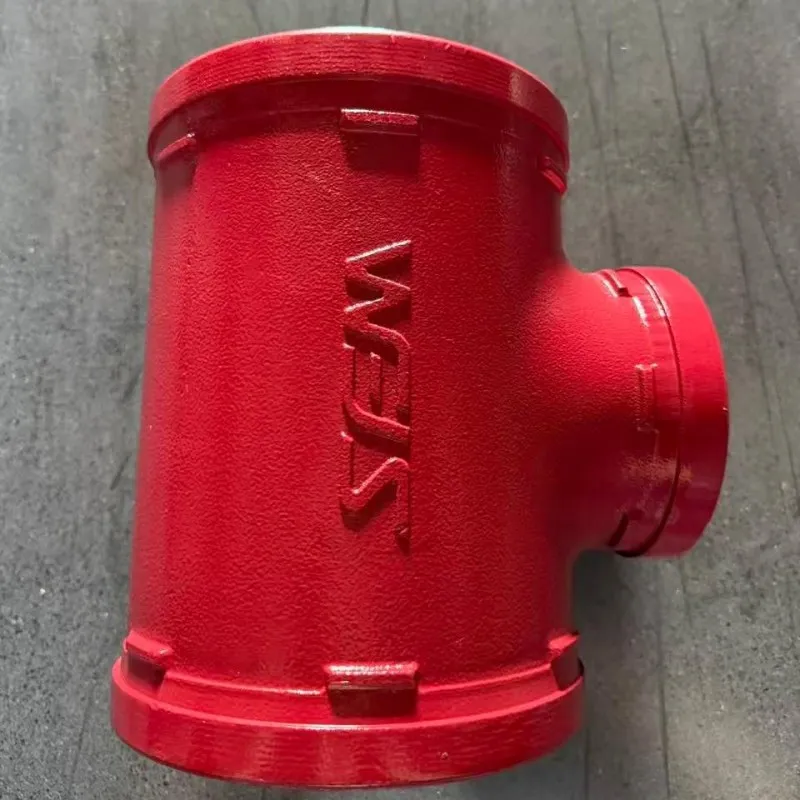
Groove plugs for fire extinguishing systems- these are critical elements of shut-off valves designed to seal the ends of pipelines in water and foam fire extinguishing systems. In the conditions of modern industrial construction in 2026, where the requirements for the reliability of fire protection circuits are regulated by strict SP and GOST standards, the use of high-quality Victaulic plugs (or their certified analogues) is not just a recommendation, but a mandatory condition for the commissioning of the facility.
The main function of this component is to ensure complete isolation of the pipeline section during maintenance, modernization or emergency shutdown of the section. Unlike traditional flange or threaded solutions,groove plugs for fire extinguishing systemsprovide installation speeds up to 70% faster, which is critical when putting commercial and industrial facilities into operation under tight deadlines. The correct choice of model depends on the operating pressure (up to 2.5 MPa and above), pipe diameter (from DN50 to DN300) and sealing ring material (EPDM for water, nitrile rubber for oils/foams).
In this review, we will analyze in detail the technical characteristics, the impact of materials on cost, the logic of pricing in the Russian and CIS markets in 2026, and also provide engineering recommendations for choosing a supplier. We cut through the marketing fluff and focus on real operational reliability and total cost of ownership (TCO).
What are groove plugs and their role in security
A groove connection is a pipe joining method in which special grooves (grooves) are created at the ends of the pipe blanks.Groove plugs for fire extinguishing systemsuse this principle to create a blind line ending. Structurally, they consist of three main elements:
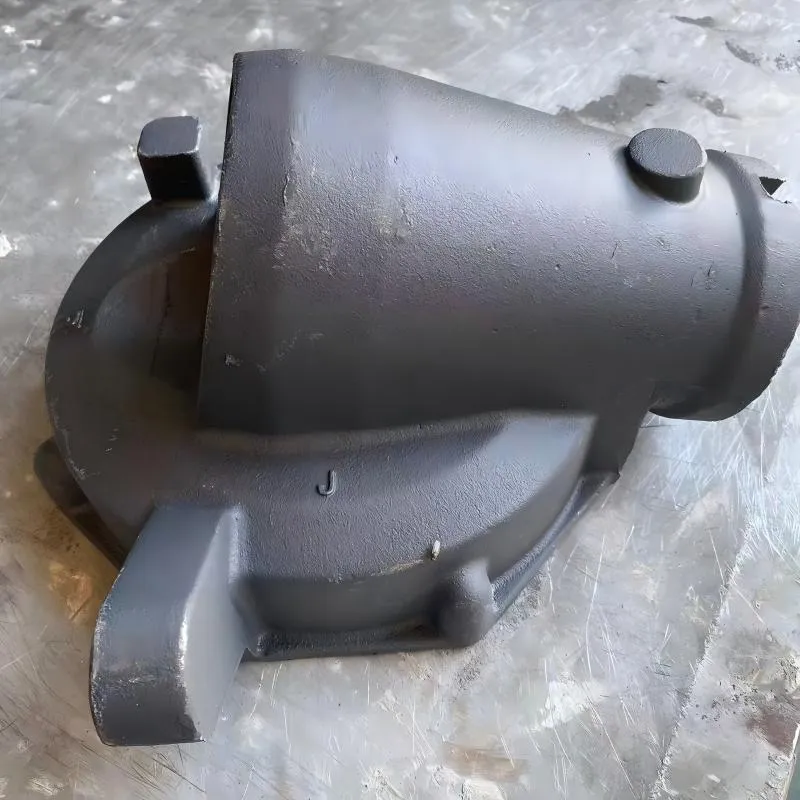
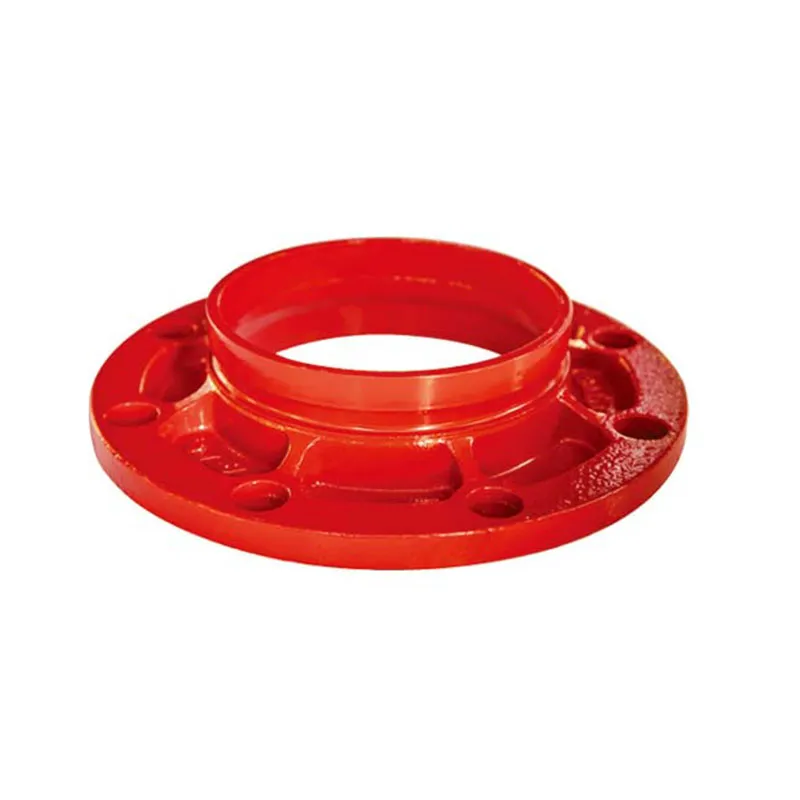
- Housing:Typically made from KTH 350-10 ductile iron or QT450-12 ductile iron. The body has an internal geometry that exactly matches the pipe groove profile.
- O-ring:key element of tightness. For fire extinguishing systems, EPDM (ethylene propylene rubber) is most often used, which is resistant to aging, ozone and temperature changes from -40°C to +85°C.
- Mounting bolts and nuts:high-strength steel class 8.8 or 10.9 with anti-corrosion coating (zinc plating or geomet), providing uniform clamping force.
Why did groove plugs become the de facto standard in 2026? The answer lies in the dynamics of loads. Fire extinguishing systems are static 99% of the time, but experience water hammer when activated. Rigid welded joints are susceptible to fatigue failure due to building vibrations, and threaded joints are at risk of unwinding. The groove plug works as a damper: it allows micro-displacements and compensation for thermal expansion, maintaining the tightness of the assembly.
From the point of view of regulations, the use of certifiedgroove plugs for fire extinguishing systemsallows you to pass inspections by the Ministry of Emergency Situations and insurance auditors without comments, since these products have quality certificates and certificates of conformity with the EAEU TR.
2026 Specifications and Standards
When creating a purchasing specification, design engineers must rely on clear parametric data. The market of 2026 is characterized by the unification of standards, but the differences between the original brands (Victaulic, Tyco) and localized analogues (manufactured in the Russian Federation, Türkiye, premium class China) remain.
Basic selection options
Selecting a Specific Modelgroove plugs for fire extinguishing systemsis based on the following technical axes:
- Working pressure:
- Standard: 12 bar (1.2 MPa) - for most residential and office centers.
- High pressure: 17.5 bar (1.75 MPa) and 25 bar (2.5 MPa) - for high-rise buildings (>50 meters) and industrial pumping stations.
- Diameter range (DN/inches):
- The most popular sizes: DN100 (4″), DN150 (6″).
- Rare sizes: DN250 (10″) and above require individual calculation of the load on bolted connections.
- Case material:
- Ductile iron with epoxy powder coating (red RAL 3000) is the standard for water.
- Stainless steel - for chemical production or when there are requirements for the absence of corrosion in an environment with high humidity.
| Parameter | Standard series (analogous to Style 90/90N) | High Pressure Series (HD) | Stainless Steel Series (SS) |
|---|---|---|---|
| Max. working pressure | 12 bar (1.2 MPa) | 25 bar (2.5 MPa) | 12–17.5 bar (depending on size) |
| Housing material | Ductile Iron ASTM A536 / Ductile Iron QT450-12 | Ductile iron reinforced | AISI 304 / AISI 316 |
| Seal | EPDM class E | Reinforced EPDM | EPDM or Viton (on request) |
| Coverage | Red epoxy | Red epoxy | Passivated/polished |
| Temperature range | -40°C … +85°C | -40°C … +85°C | -40°C … +110°C (Viton) |
It is important to note that in 2026, the requirements for the thickness of the housing wall have become more stringent. Cheap analogues often skimp on metal, which leads to microcracks during hydrotesting (pressure testing) of the system with a pressure of 1.5 times the working pressure. Engineering practice shows: saving 15% on the price of a plug can lead to reworking the entire riser at the first inspection.
Where are groove plugs used: industry specifics
Applicationgroove plugs for fire extinguishing systemsis not limited to just installing the “end of pipe”. Their functionality is broader and depends on the type of object. Let's look at three key use cases from an engineering logic perspective.
1. Shopping centers and office complexes (Commercial real estate)
The priority here is installation speed and the ability to easily modify the network. Tenants often change, the layout of the premises is revised. The groove plug allows you to quickly “plug” a temporarily unused sprinkler system outlet without the use of welding, which is prohibited in existing buildings without special permits.
Engineering nuance:Such systems often use plugs that can be quickly removed (without completely dismantling the bolts, if the design allows) to minimize system downtime when adding new branches.
2. Industrial enterprises and warehouses class A
High-altitude storage requires the installation of sprinklers at high heights. Pipelines here experience significant weight loads. Plugs are installed at the ends of trunk lines.
Numbers:In a 10,000 m² warehouse, up to 40–50 end caps with a diameter of DN100–DN150 can be used. An error in the choice of sealant (for example, using standard EPDM instead of fire-resistant) can lead to loss of tightness in a fire when the room temperature exceeds 60–70°C long before the sprinkler operates.
3. Oil and gas sector and chemical production
In these industries, fire suppression systems are often combined with foam generators. Foam is a more aggressive medium than water. Heregroove plugs for fire extinguishing systemsmust have hydrocarbon resistant nitrile rubber (Buna-N) or Viton seals. Using standard rubber seals will cause them to swell and break within 1-2 years, creating the risk of false operation or leakage of expensive foam agent.
How to choose groove plugs: a guide for buyers
Selection processgroove plugs for fire extinguishing systemsmust be systematized. Errors at the procurement stage are identified only at the hydraulic testing stage, when replacing an element costs 10 times more due to the need to drain water and reassemble.
Step 1: Check pipe compatibility
Not all grooved pipes are created equal. There is the ISO 6182-12 standard and the American AWWA C606 standard. Russian pipe manufacturers often cut a groove according to their own specifications, which may differ in the depth and width of the groove by a fraction of a millimeter.
Recommendation:Before bulk ordering, always request a sample plug and perform a “dry fit” on the actual length of pipe that will be used on site. If the plug fits too tightly or, conversely, has play, the batch is not suitable.
Step 2: Certificate Analysis
To hand over a fire inspection facility in the Russian Federation, certificates of compliance with EAEU TR 043/2017 “Requirements for fire safety and fire extinguishing means” are required. Make sure that the certificate is issued specifically for the batch of plugs, and not just for couplings. Often suppliers try to replace documents.
Step 3: Assess product weight and casting quality
Weight is an indirect but reliable indicator of the quality of cast iron. Compare the weight of the proposed DN100 plug with the Victaulic brand reference weight (about 2.5-3 kg for the standard series). If the proposed analogue weighs 1.8 kg, this is a direct signal of savings on case material. Such an element may not withstand water hammer.
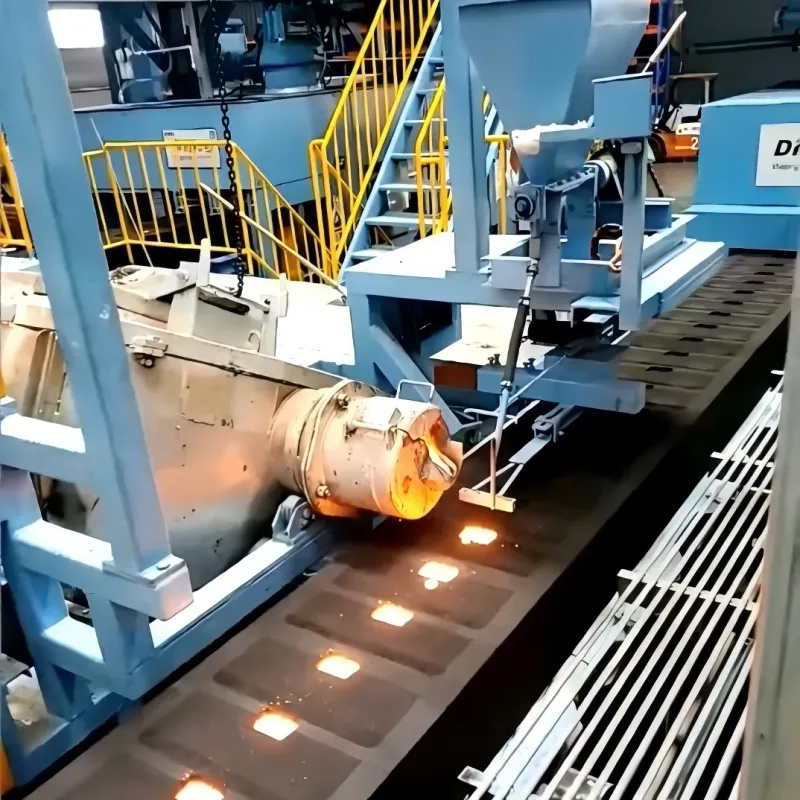
That is why when choosing a supplier it is important to pay attention to the manufacturer’s technological base. For example, productsShandong Jiasheng Machinery Manufacturing Co., Ltd.Manufactured using QT450-12 ductile iron, which provides superior strength compared to conventional ductile iron. The plant, located in Weifang City (Shandong Province), uses advanced automatic molding lines Disa416 and Benchuang 418, as well as intelligent quality control systems. This allows an annual capacity of 11,000 tons to be achieved with strict adherence to product geometry, eliminating the compatibility issues described in Step 1.
Price Range and Cost Factors in 2026
Pricing forgroove plugs for fire extinguishing systemsin 2026 it has stabilized after the shocks of previous years, but remains sensitive to logistics burdens and exchange rates. Below is an indicative analysis of the market (prices are indicated in rubles including VAT and are estimates for wholesale quantities of 50 pcs.).
| Diameter (DN) | Budget segment (China/Localization) | Middle segment (Türkiye/Russian Federation) | Premium segment (Europe/USA/Original) |
|---|---|---|---|
| DN 50 (2″) | 350 – 500 rub. | 600 – 850 rub. | 1,200 – 1,600 rub. |
| DN 80 (3″) | 600 – 800 rub. | 950 – 1,200 rub. | 1,800 – 2,300 rub. |
| DN 100 (4″) | 900 – 1,200 rub. | 1,400 – 1,800 rub. | 2,500 – 3,200 rub. |
| DN 150 (6″) | 1,800 – 2,300 rub. | 2,800 – 3,500 rub. | 4,500 – 5,800 rub. |
| DN 200 (8″) | 3,500 – 4,500 rub. | 5,500 – 7,000 rub. | 9,000 – 12,000 rub. |
What affects the cost?
- Batch size:Purchasing a full container load (FCL) reduces the price by 20-30% compared to the distributor's warehouse program.
- Cover type:Standard red coating is cheaper. Galvanization or stainless steel increases the price by 2–4 times.
- Logistics:Availability of goods in warehouses in Moscow or Yekaterinburg includes a premium for storage, but eliminates the risk of delays at customs.
- Branding:Name-brand products always cost more due to certification and marketing costs, even if they are physically produced in the same factory as their nameless counterparts.
Engineering opinion:For typical residential complexes, it is reasonable to use the middle segment (Turkey/Russian Federation) or high-quality Chinese brands with proven quality control, such as Shandong Jiasheng products, which combine compliance with GB5135.11 standards and a competitive price thanks to its own full production cycle. For facilities with high requirements for fault tolerance (data centers, oil refining), overpaying for the premium segment is justified by reducing the risk of downtime.
Comparison of models: Originals and analogues
In 2026, the market is saturated with offers. To make an informed choice, let's compare the key aspects of operation.
| Criterion | Original (Victaulic/Tyco) | High-quality analogue (Shandong Jiasheng / Türkiye / Russia) | Cheap analogue (no-name Chinese brands) |
|---|---|---|---|
| Casting precision | Ideal geometry, minimum defects | High precision thanks to Disa/Benchuan automatic lines | High risk of misalignment with the pipe |
| Bolt quality | Stainless or high quality galvanized | Galvanized class 8.8 | Ferrous metal or weak galvanization (rusts after a year) |
| Seal life | 20+ years without loss of elasticity | 15–20 years (EPDM certified) | 3–5 years (tans and cracks) |
| Availability of documentation | A complete package recognized by all authorities | CCCF Certificates, ISO9001/14001/45001, Test Reports | Often absent or formal |
| Cost of ownership | High initial, low maintenance | Optimal (balance of price and reliability) | Low initial, high risks of replacement |
We do not recommend using cheap, nameless analogues on trunk lines. Saving 200 rubles on one DN100 plug can result in flooding of a server room or warehouse if the seal breaks. At the same time, manufacturers such asShandong Jiasheng LLC, demonstrate that affordable price does not necessarily mean low quality. Thanks to the presence of their own laboratory, electrostatic spraying line and liability insurance, their products successfully pass type tests at the National Center for Quality Control of Fire Extinguishing Systems, offering a reliable alternative to expensive European brands.
Logistics and export features
When purchasinggroove plugs for fire extinguishing systemsit is important to take into account the logistical nuances of 2026. Most quality components are either produced locally or imported from friendly jurisdictions.
- Delivery times:The warehouse program allows shipment in 1-3 days. Ordering non-standard items (DN250+, stainless steel) may take 4–8 weeks.
- Packing:High-quality plugs are supplied in boxes with dividers to prevent damage to bolt threads and deformation of the housing during transportation. Bulk shipment is not acceptable for the premium and mid-segment.
- Customs clearance:When importing, make sure that the HS code is correct (usually group 7307 or 8481) to avoid problems with classification and duty rates.
Typical errors during installation and operation
Even the most expensivegroove plug for fire extinguishing systemdoes not guarantee tightness if the installation technology is violated. Here is a list of errors that we see on objects most often:
- Skew when tightening:The bolts should be tightened evenly in a cross pattern. Tightening one bolt “all the way” before starting the second leads to skewing of the housing and squeezing out the seal.
- Lack of lubrication:The O-ring should be lightly lubricated with silicone grease (included in the kit or purchased separately). A dry ring may curl or break when pressed.
- Use of sealants:It is strictly forbidden to use thread sealants (threads, pastes) on bolted connections of groove plugs. The seal is provided by rubber, not threads.
- Over torque:Using pneumatic impact wrenches without torque limitation often leads to stripped bolt threads or cracks in the housing ears. It is recommended to use torque wrenches.
Frequently asked questions (FAQ)
Q: Can hot water plugs be used in a fire suppression system?
Oh no. Although the physical dimensions may be the same, DHW seals are often designed to withstand constant high temperatures but may not meet fire certification requirements. Use only certifiedgroove plugs for fire extinguishing systems.
Q: What is the service life of the O-ring?
A: With proper installation and the absence of aggressive environments, the service life of EPDM is 15–20 years. However, the regulations require visual inspection of components every 6 months and replacement of seals with signs of aging (cracks, loss of elasticity).
Q: What is the difference between the Style 90 plug and the Style 90N?
A: The main difference is the bolt material and coating. The “N” (Nitral) series typically uses stainless steel or coated bolts for use in more corrosive environments. For standard dry rooms, the usual series is sufficient.
Q: Do I need to replace the plug after the fire extinguishing system is activated?
A: Not necessary if there was no mechanical damage. However, it is recommended to check the tightening torque of the bolts and the condition of the seal. If the system was filled with foam, the plug and seal must be thoroughly washed and, most likely, the seal must be replaced with a new one.
Recommendations for purchasing and choosing a supplier
Choosing a suppliergroove plugs for fire extinguishing systems, pay attention not only to the price, but also to technical support. A good supplier should:
- Provide samples for test assembly.
- Have a reserve of popular sizes in stock (DN100, DN150).
- Provide originals of certificates of conformity (CCCF, ISO, EAEU TR).
- Consult on compatibility with your pipes.
Feel free to request a reference list. A supplier working with large developers or industrial giants has already been checked by their quality services. For example, experienceShandong Jiasheng LLCin projects for municipal water networks, AAA hospitals and railway junctions in more than 30 provinces in China serves as an excellent indicator of reliability. The company offers not only products, but also comprehensive technical support with a response within 24 hours, as well as the possibility of personalized OEM solutions.
Conclusion
In 2026groove plugs for fire extinguishing systemsremain the most effective solution for completing pipeline circuits. They combine reliability, installation speed and maintainability. The key to a successful project is the correct choice of sealant material for the medium (water/foam) and the rejection of ultra-cheap analogues in favor of proven mid- and premium-segment manufacturers.
Remember: a fire extinguishing system is insurance for your business and people’s lives. Saving on fittings is unacceptable here. Choose quality confirmed by certificates and experience.
To receive an up-to-date price list, technical advice on the selection of analogues, or request product samples, contact our specialists. We will help you optimize your estimate without losing quality.
Need help with selection?
Get calculation and catalog 2026
We also recommend that you read our sectiongroove couplings and adaptersfor comprehensive equipment of your facility.